Challenge
My career has been built entirely on screens. Then I discovered 3D printing, and got hooked: it's just motion generated by code. When my budget 3D printer broke, instead of fixing it, I took it apart and used the parts to build my first pen plotter, a robot that moves a pen across paper to draw, built from plans I found online.
Approach
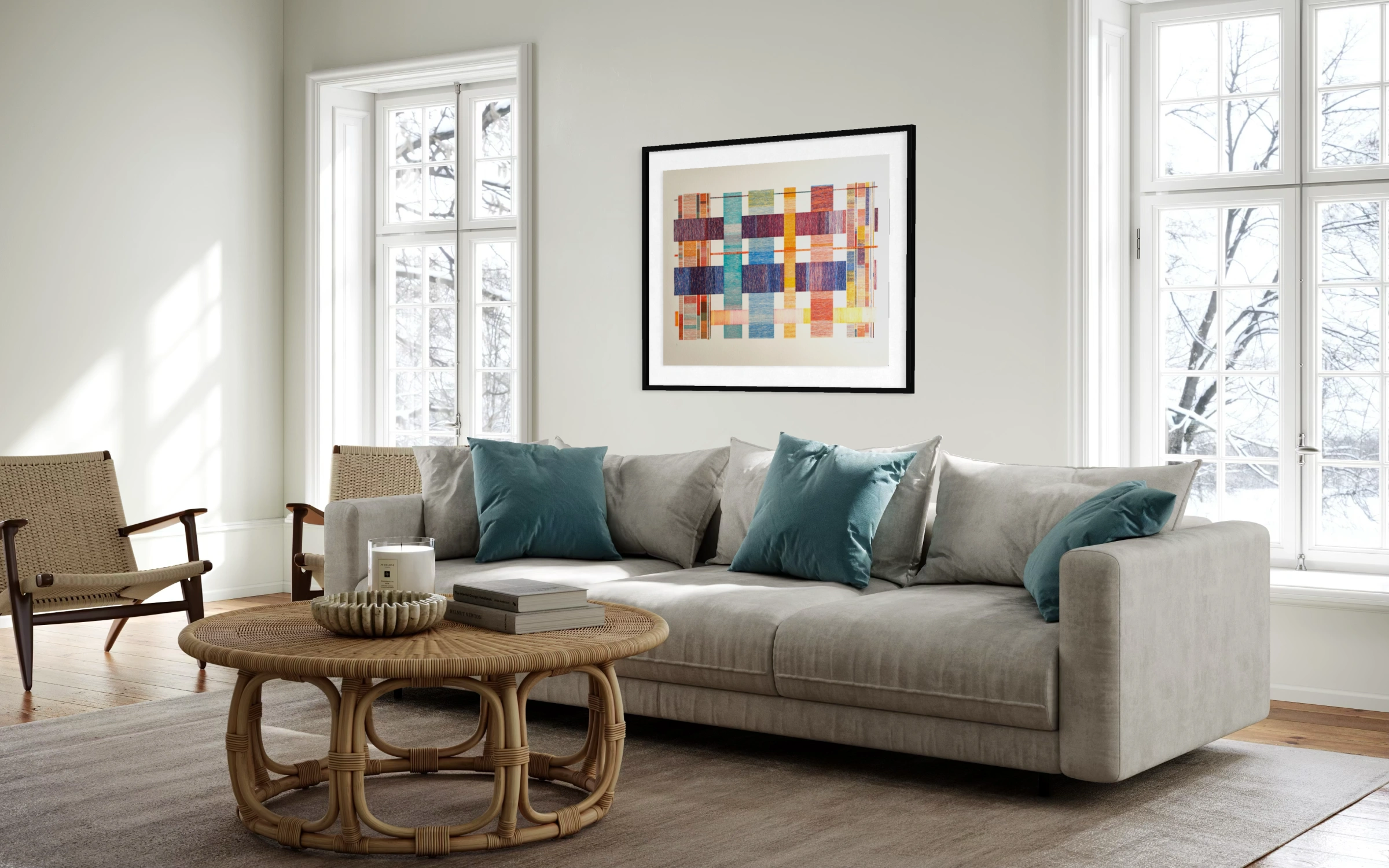
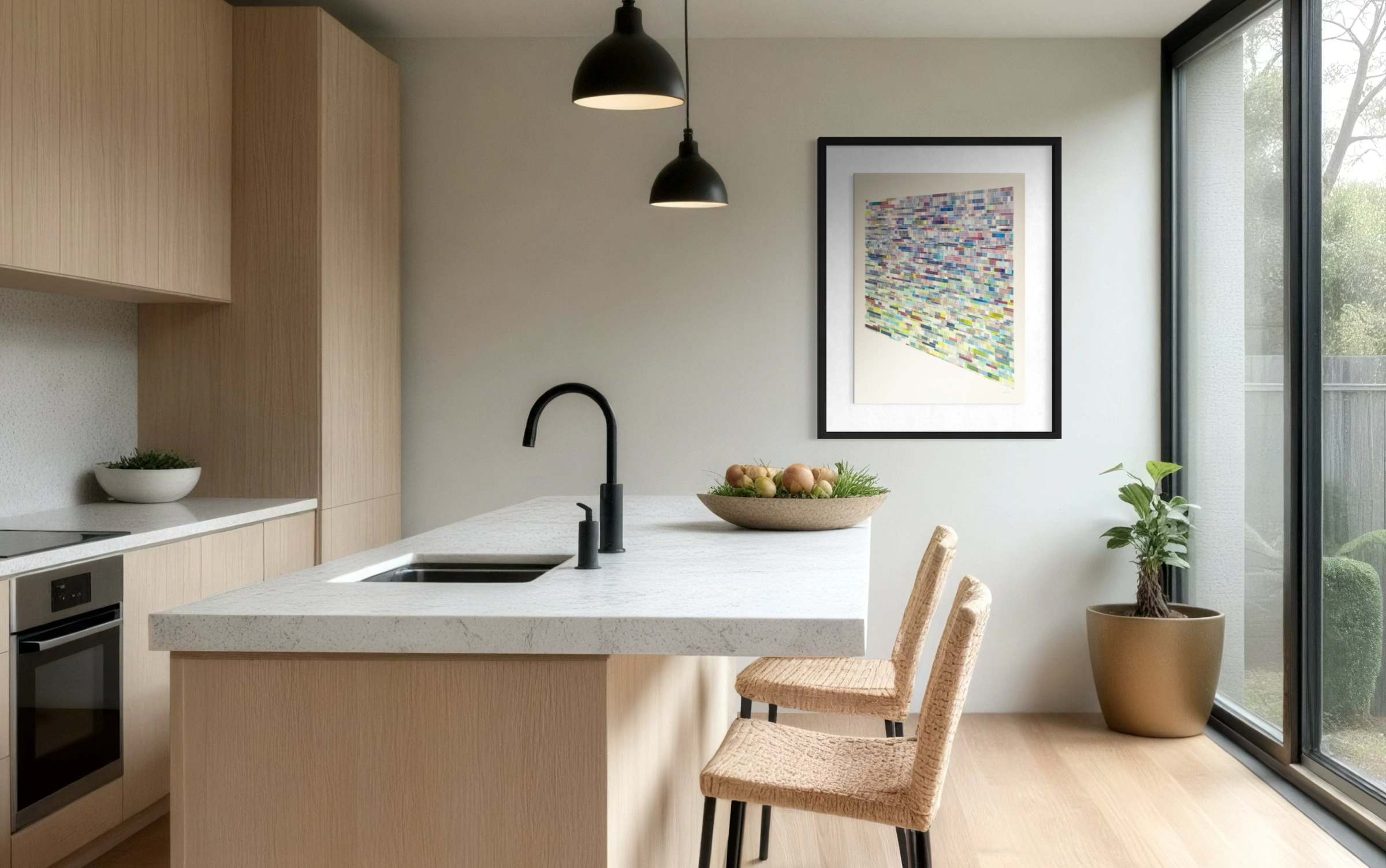
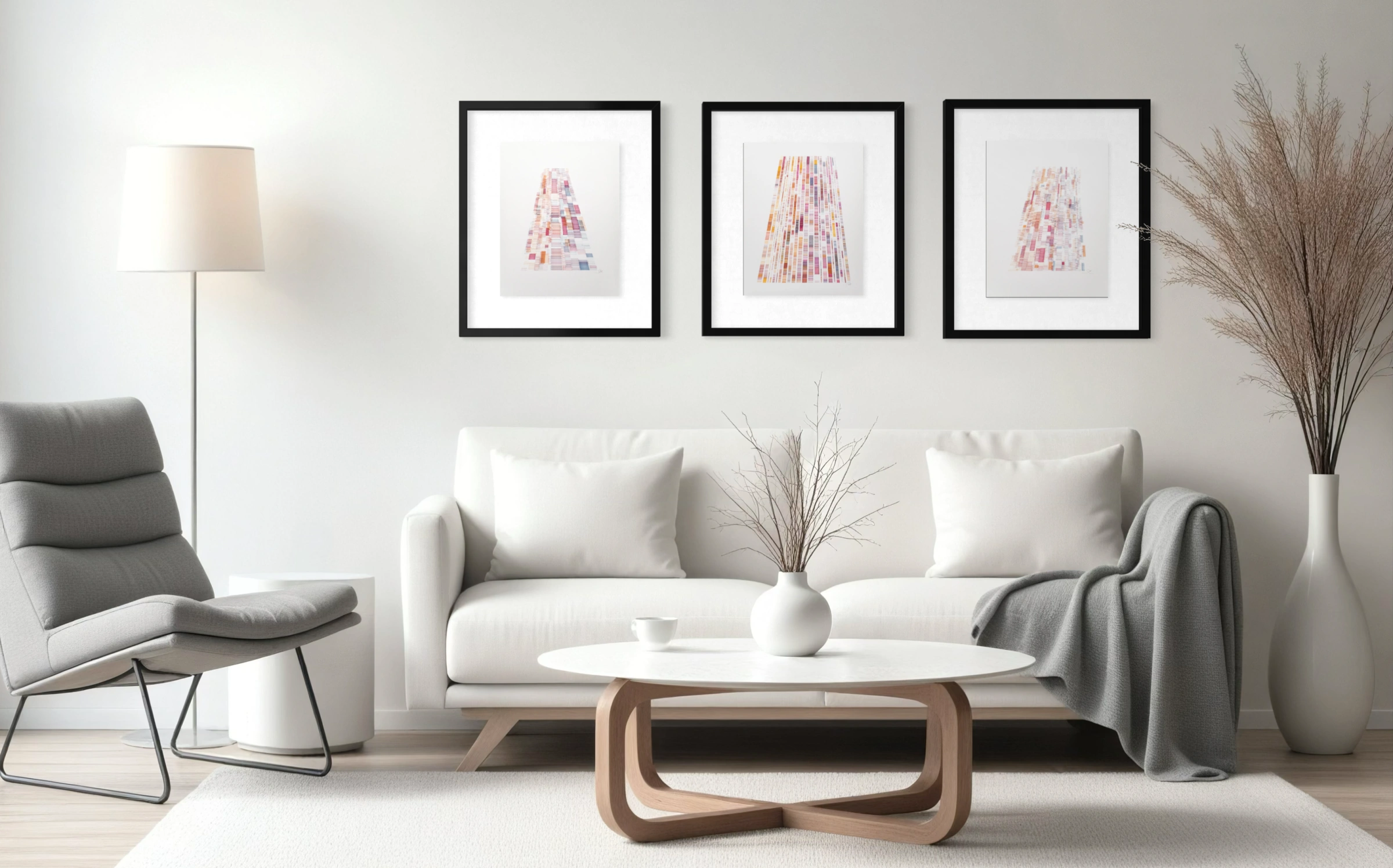
I wasn't after the most efficient way to make art. I was after learning, building, and making mistakes. That's what makes it art. So rather than buy a plotter or use existing software, I kept rebuilding: three plotters so far, each bigger than the last, with more parts I designed and printed myself.
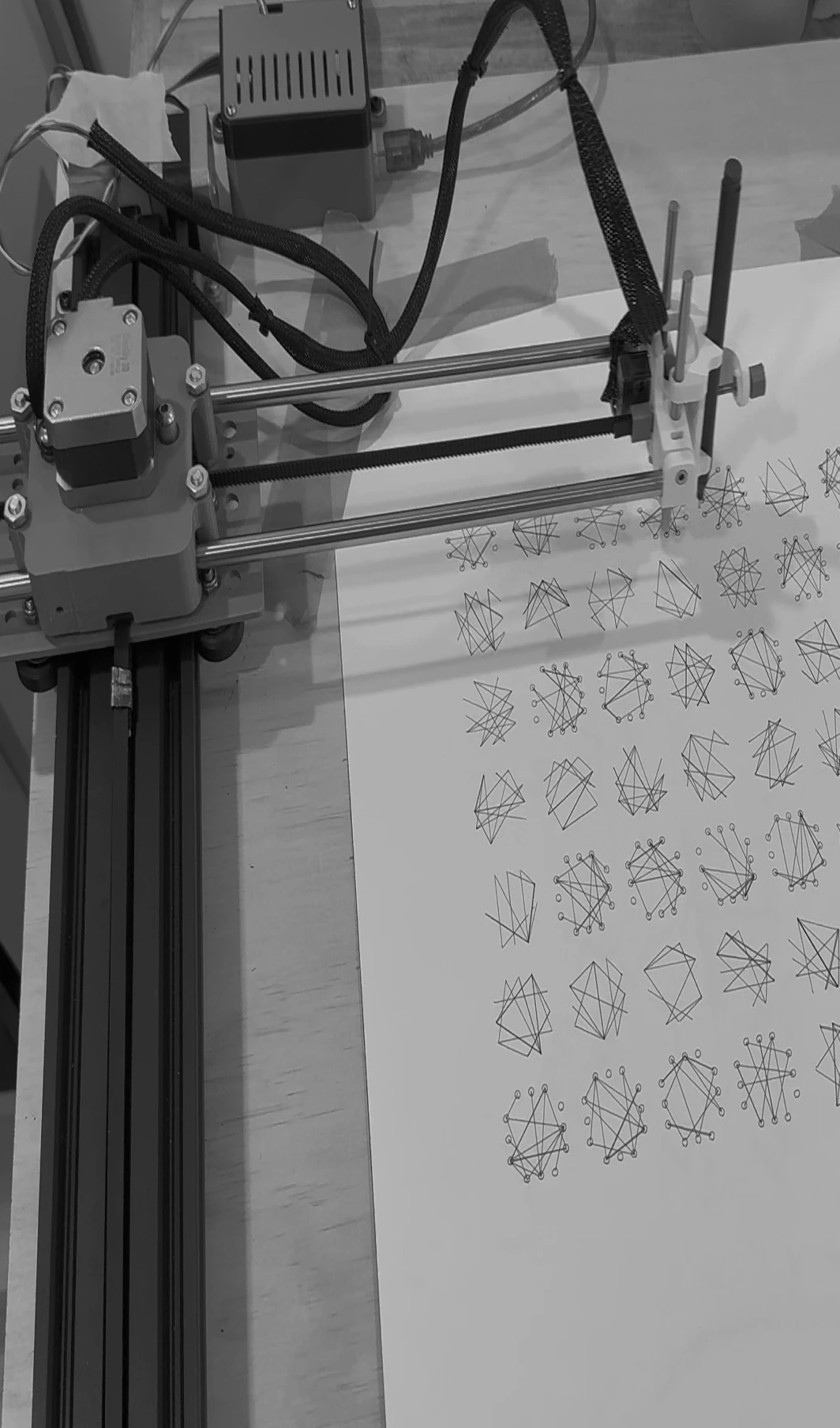 32 × 40 cm
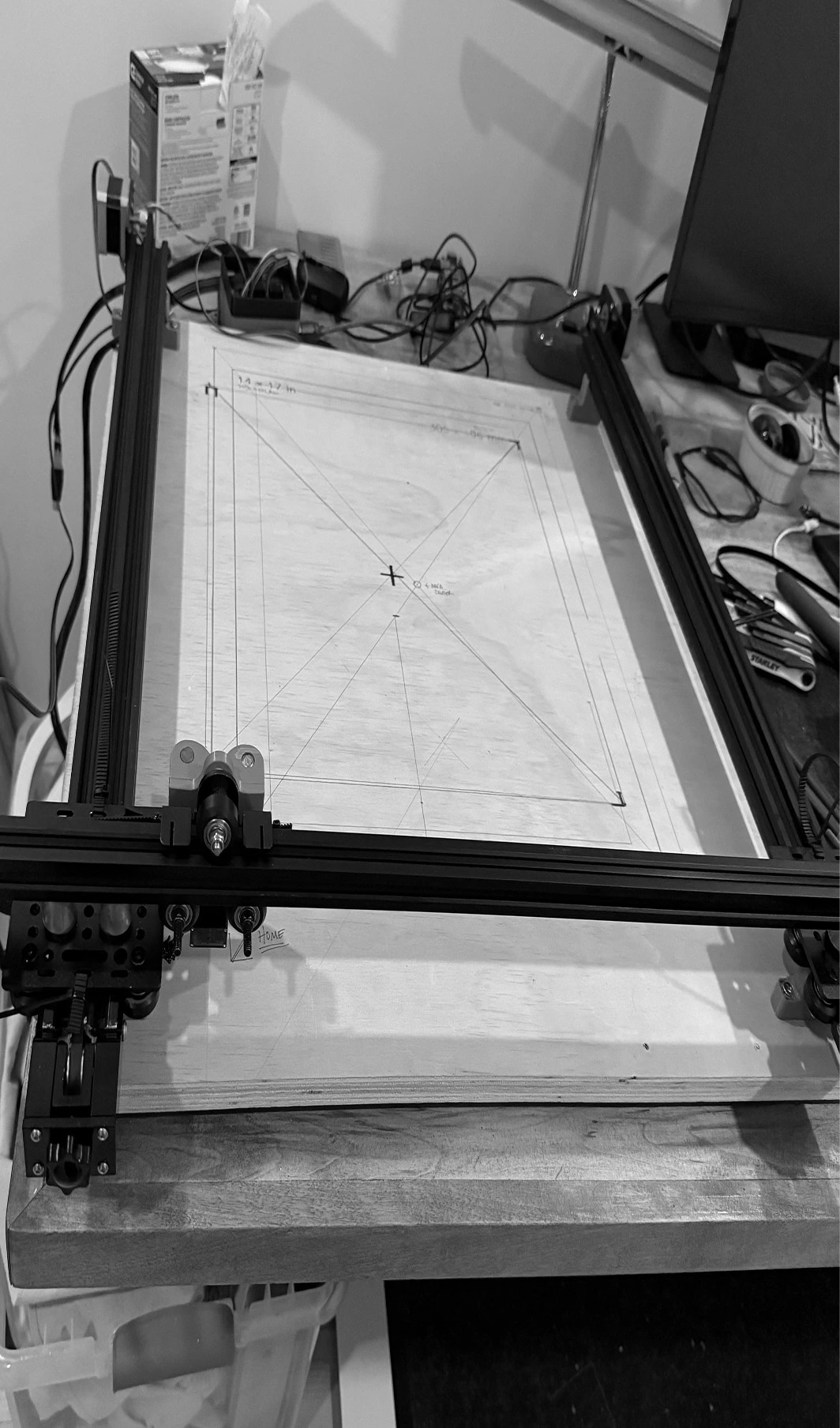 60 × 60 cm
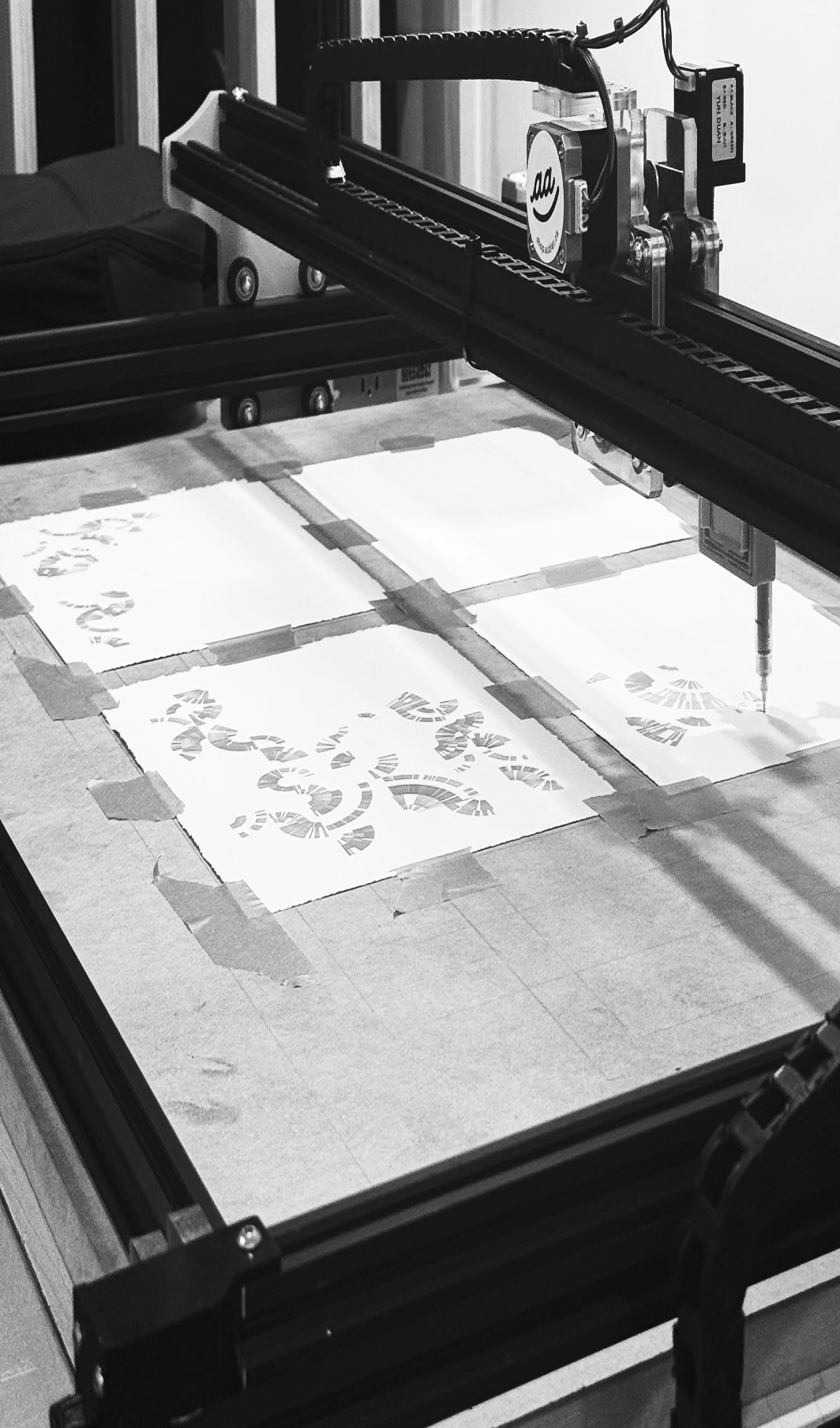 60 × 100 cm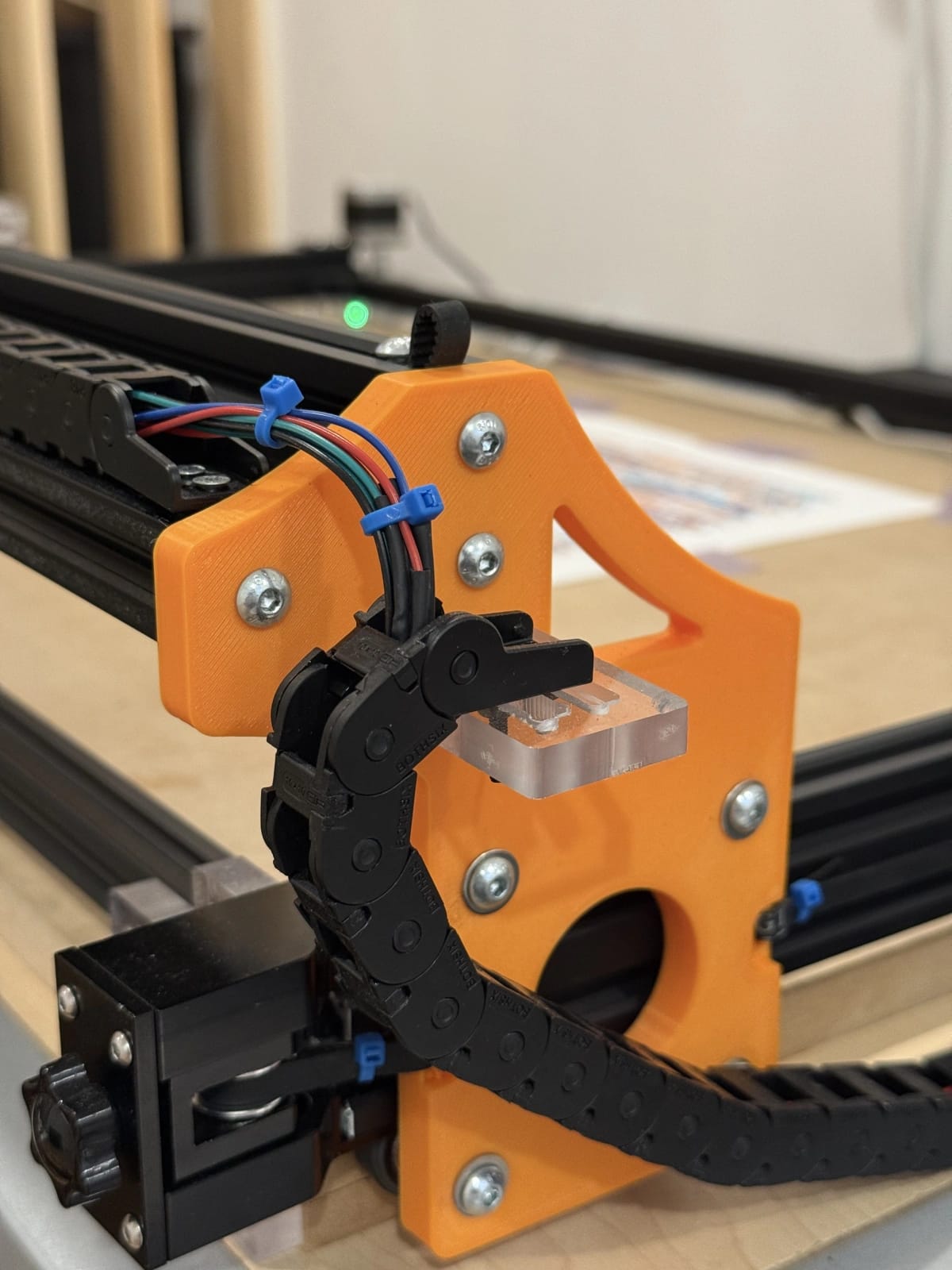
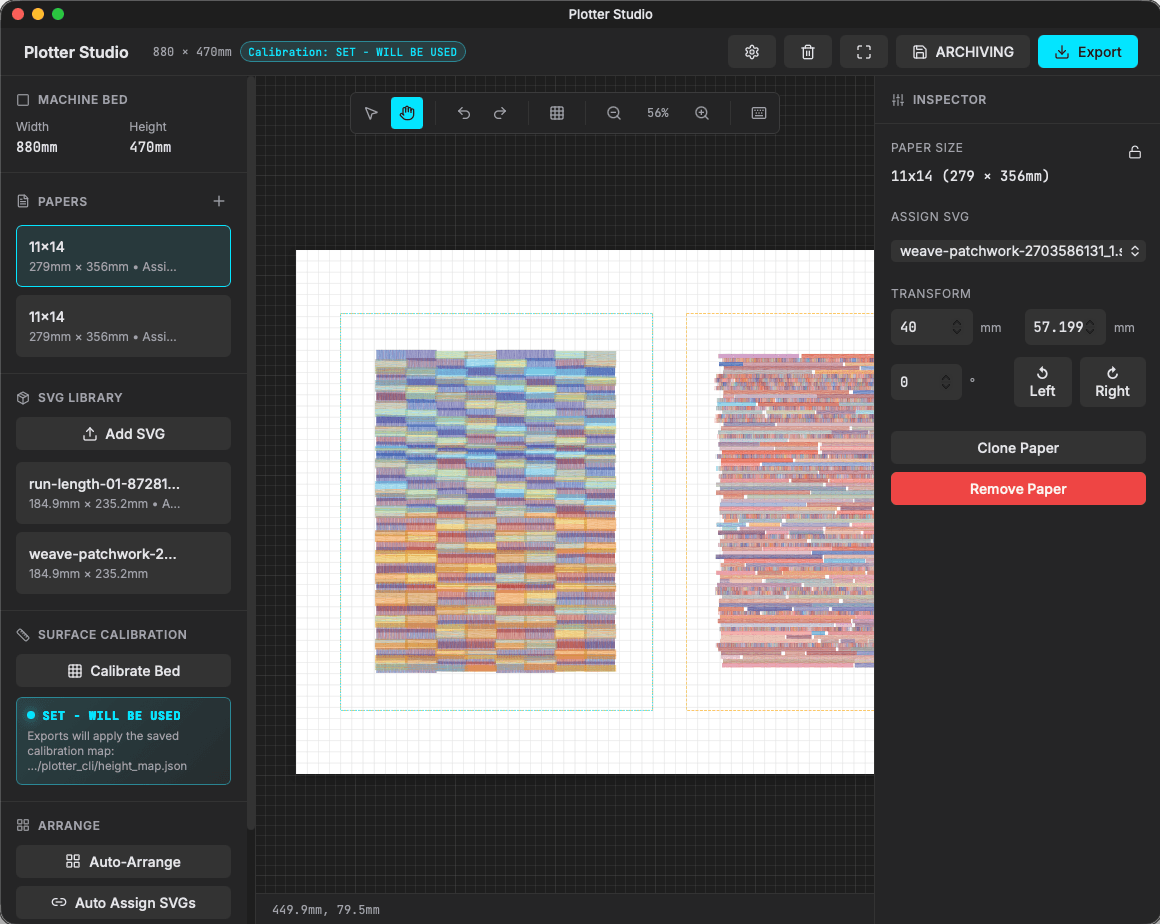
I write the generative algorithms with web technologies, using AI to explain the math and unblock me when I get stuck. Since nothing on the market gave me the control I wanted, I built my own set of tools: macOS apps, CLIs, and web apps, to handle calibration, code generation, and everything in between.
Results
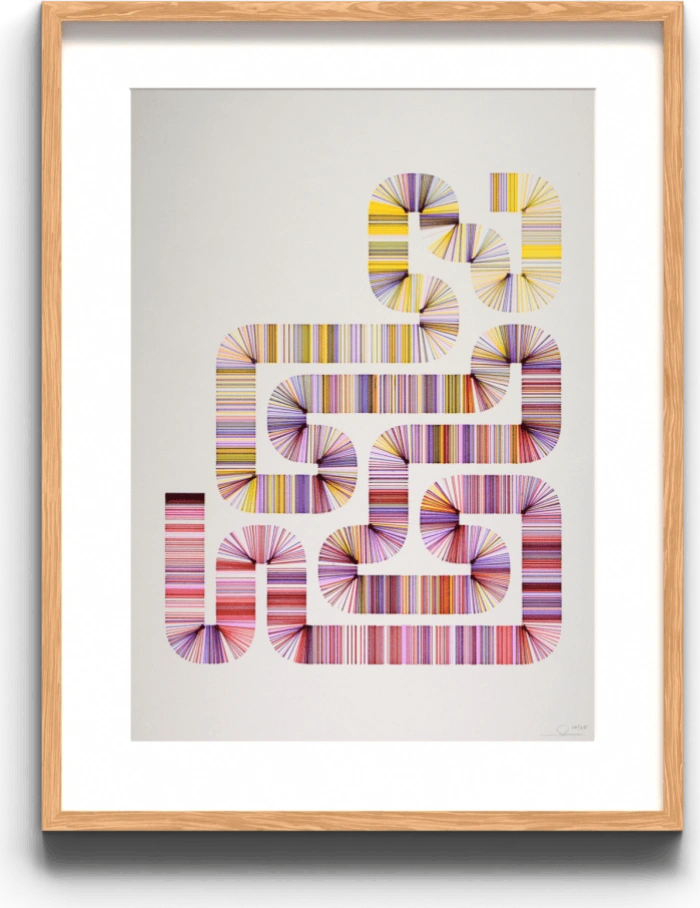
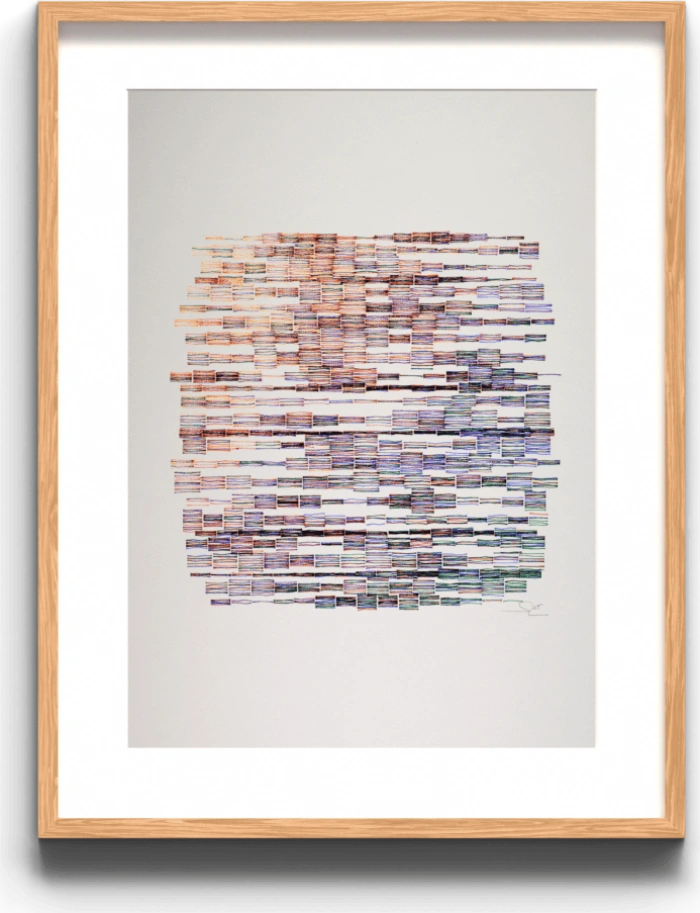
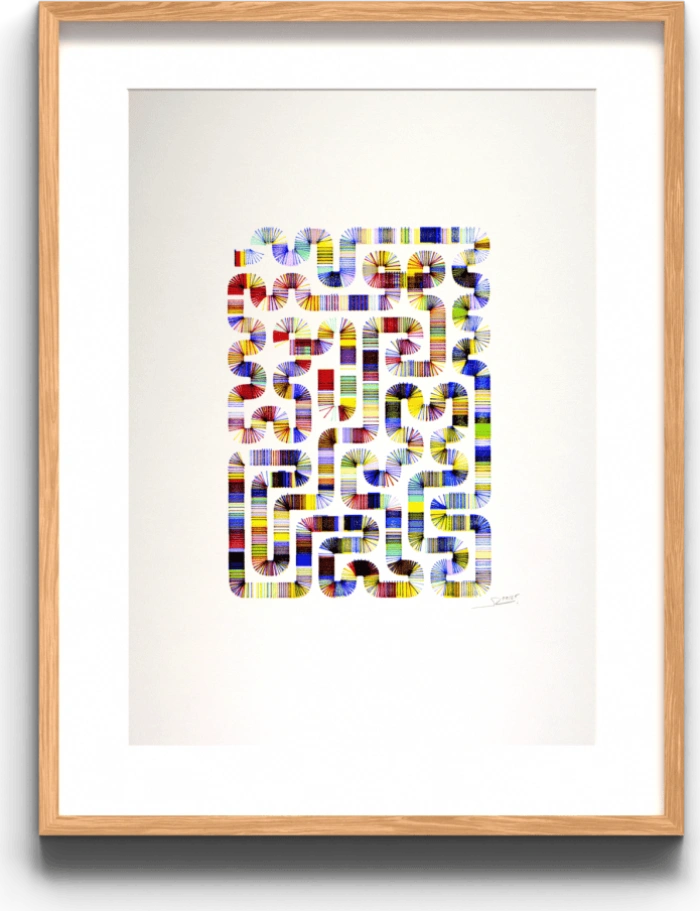
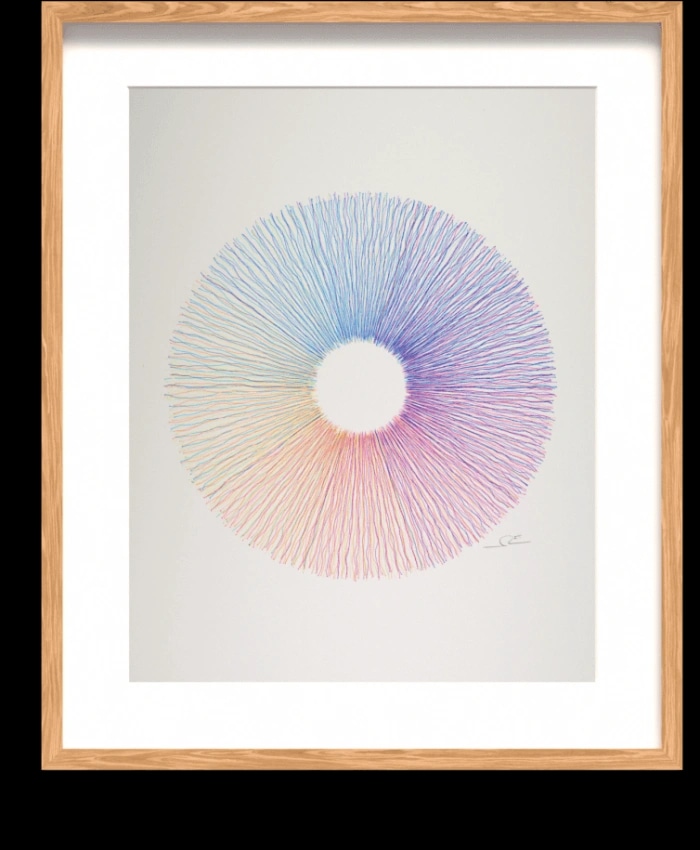
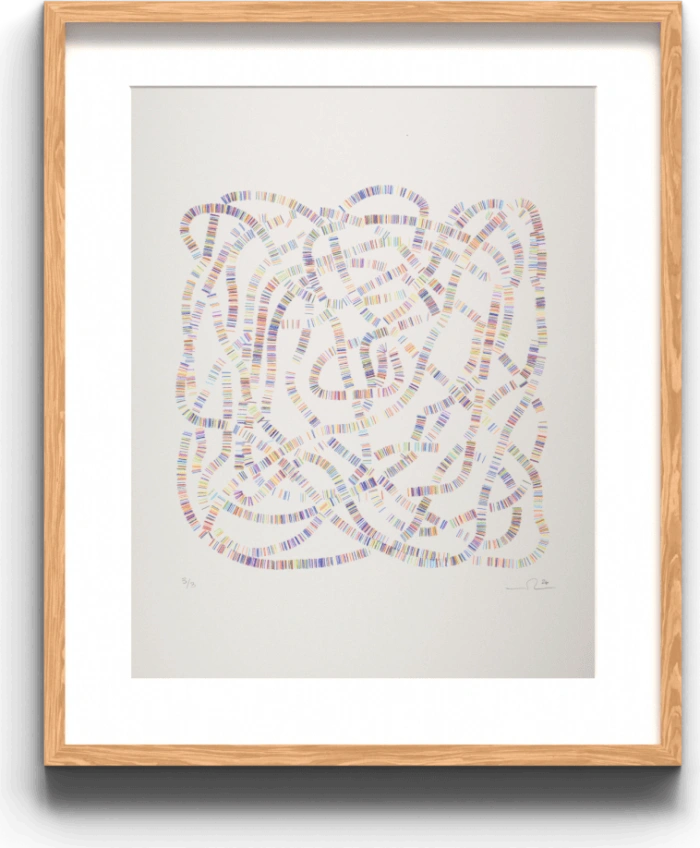
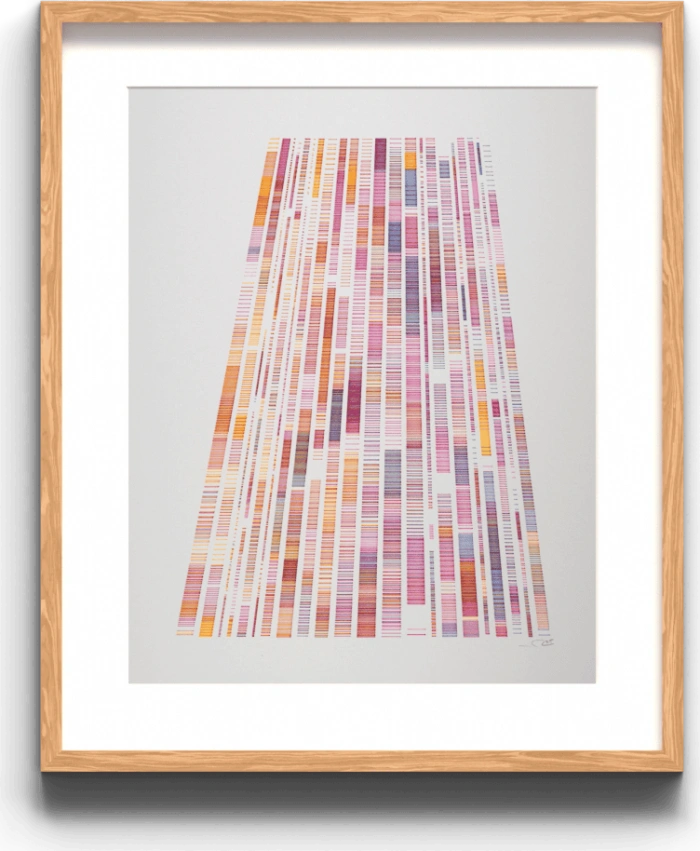
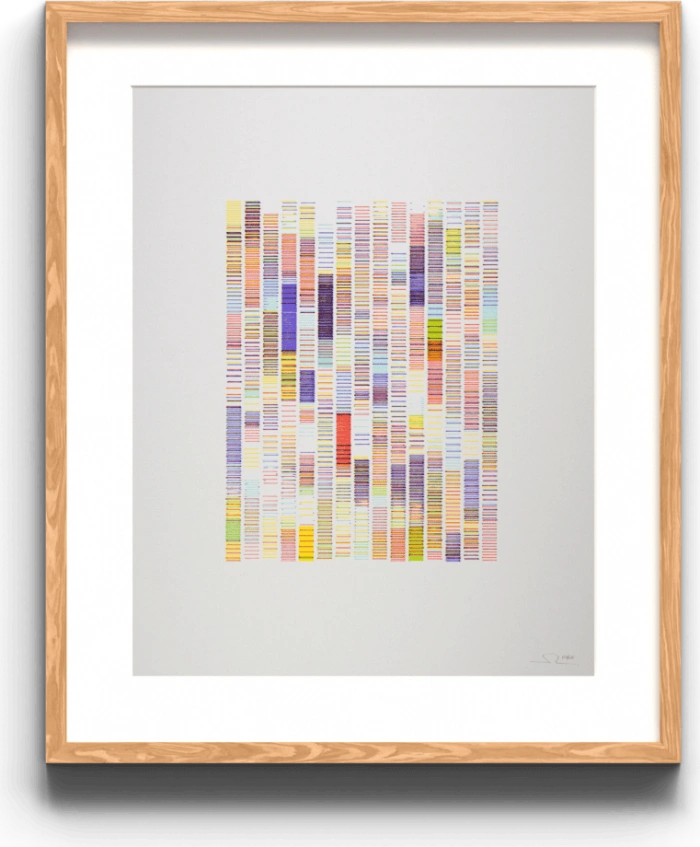
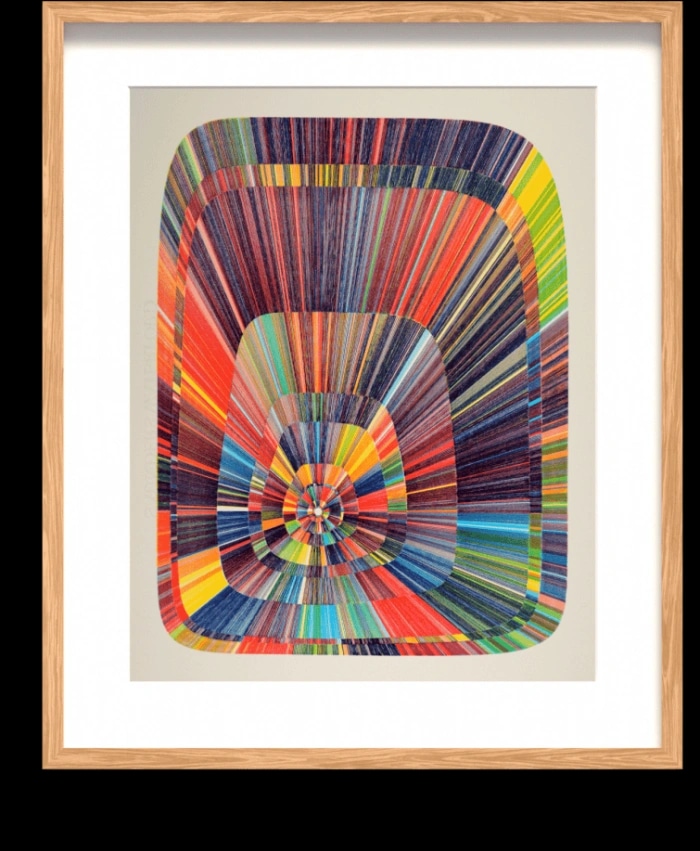
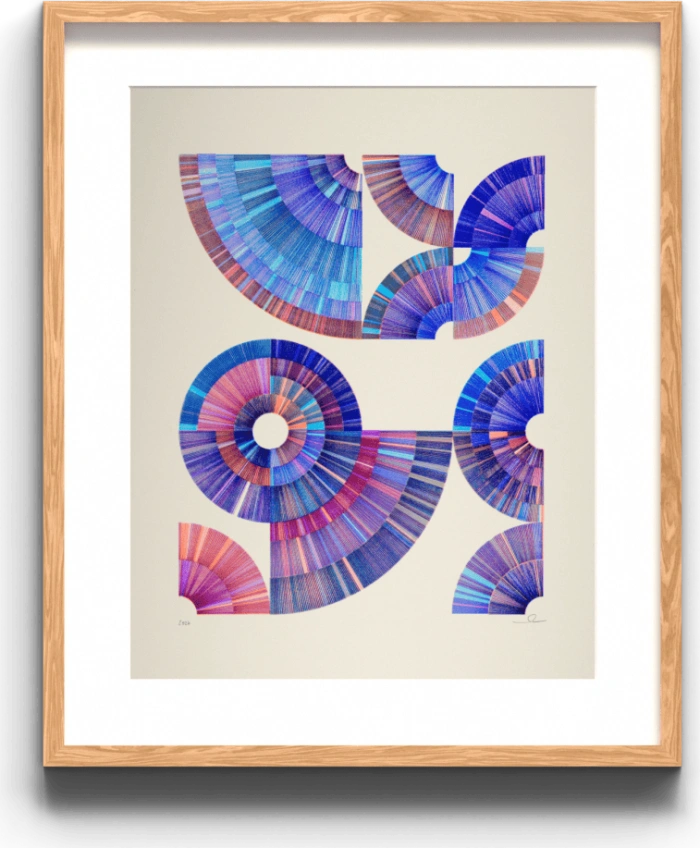
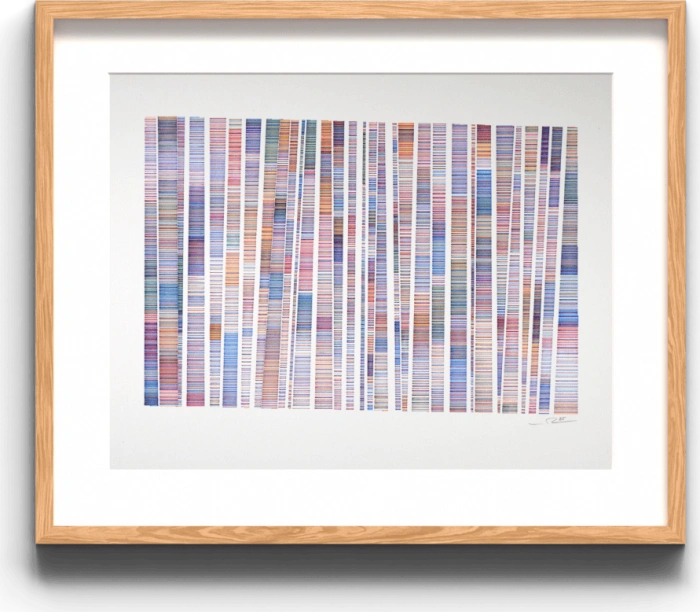
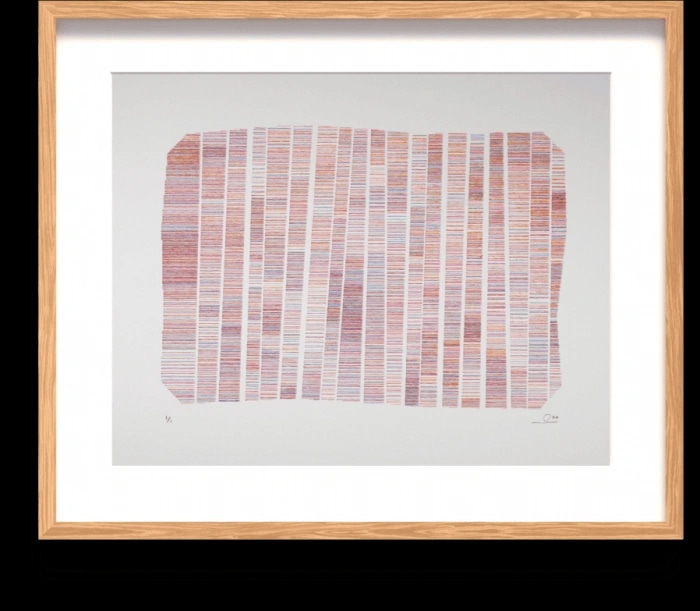
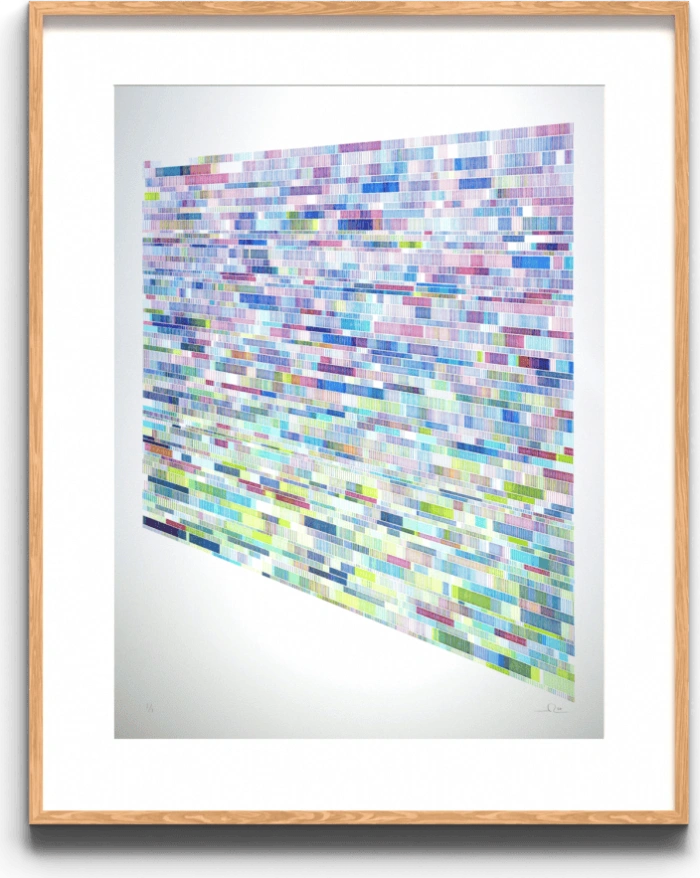
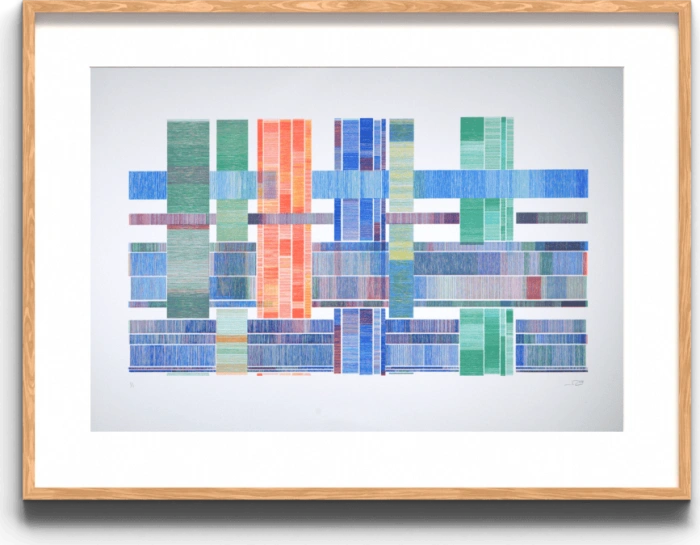
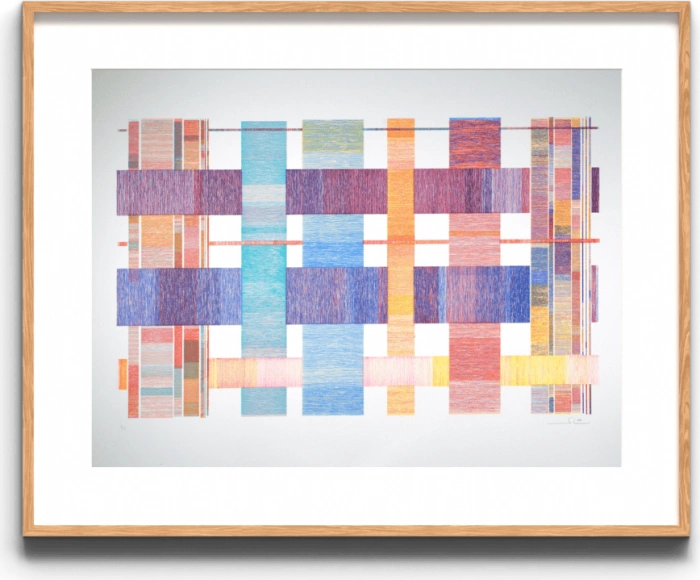
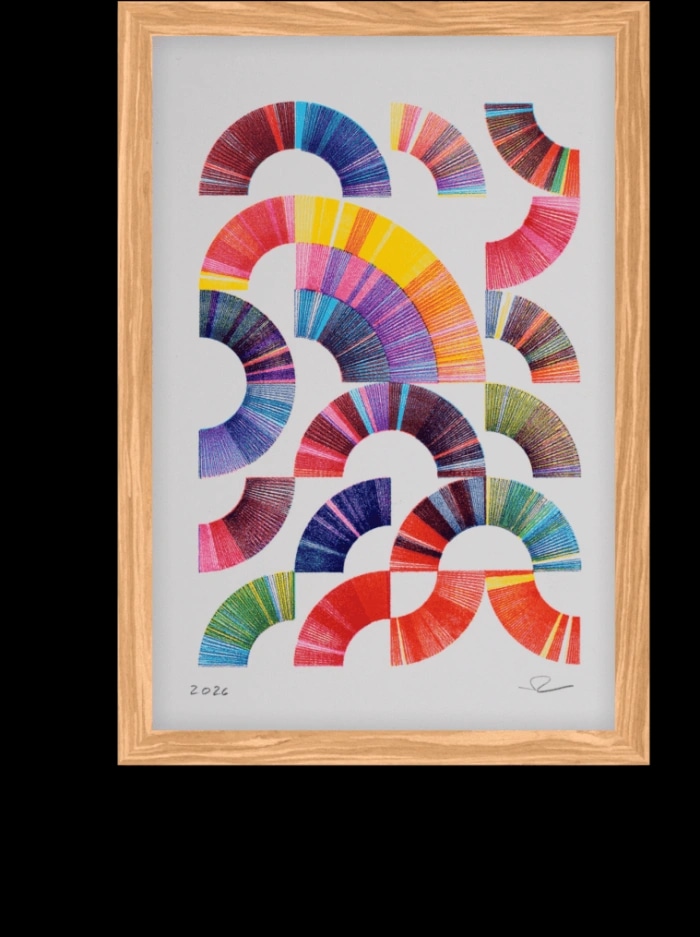
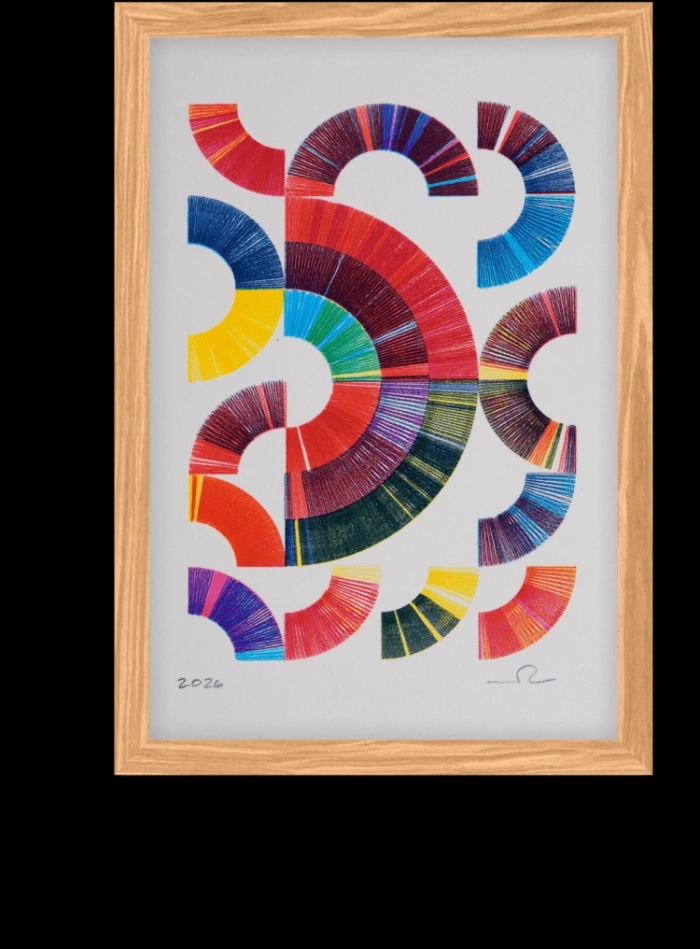
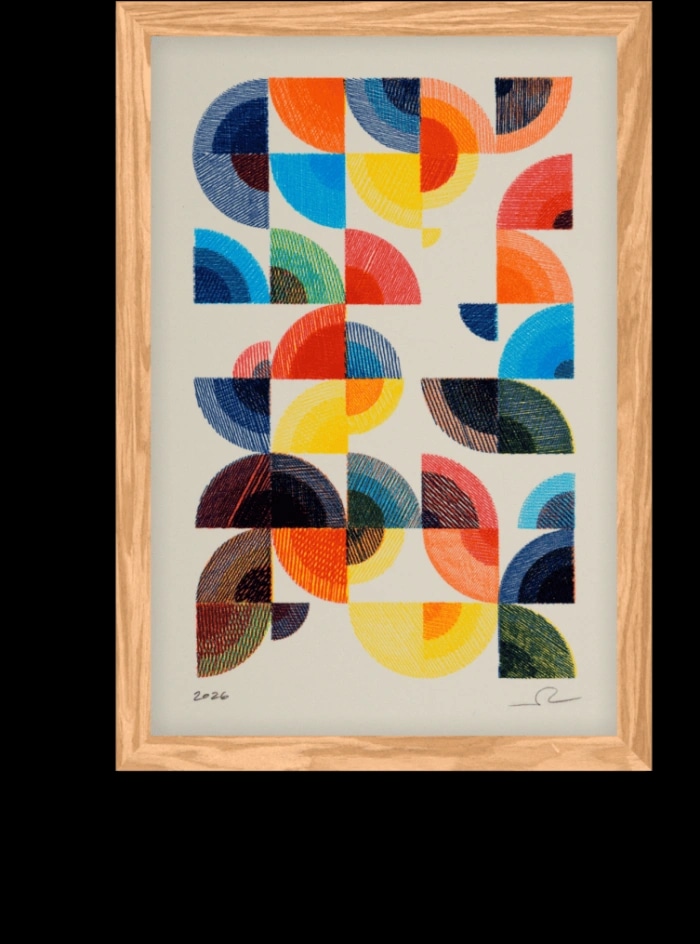
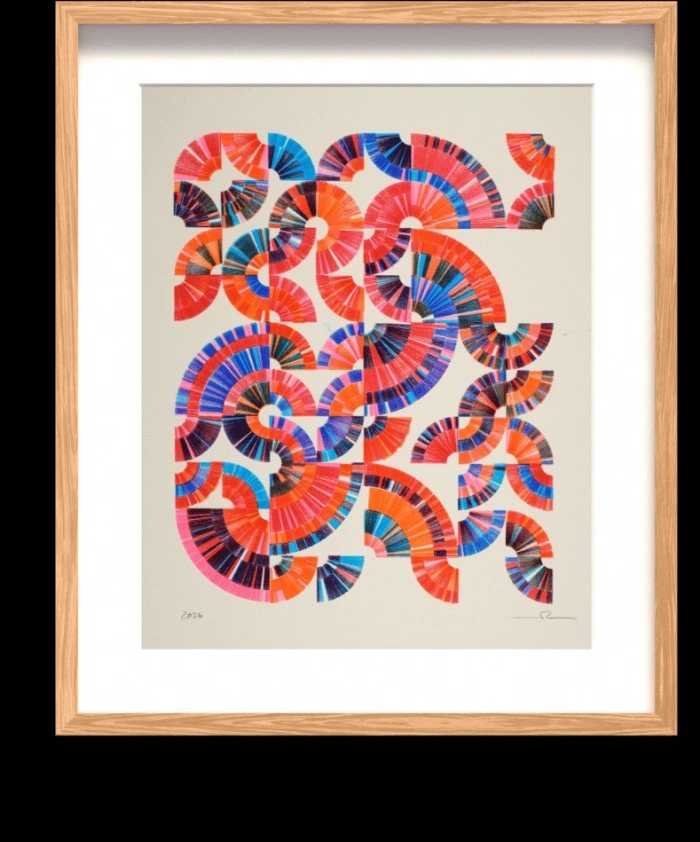
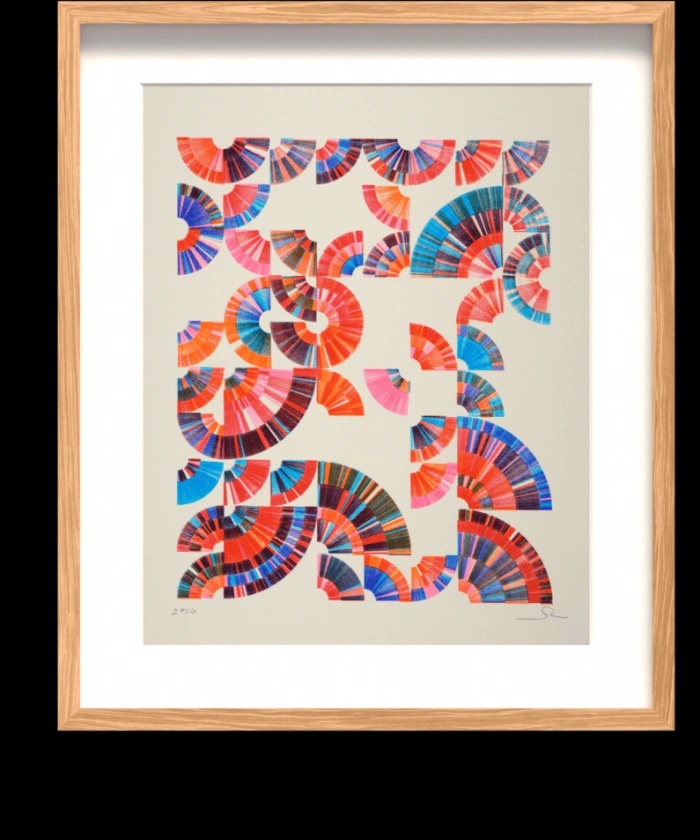
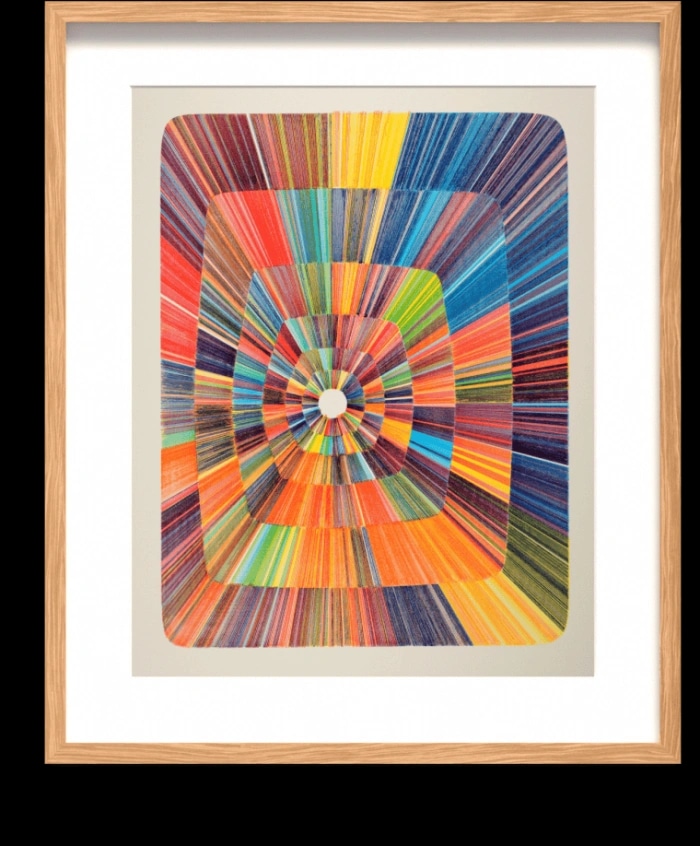
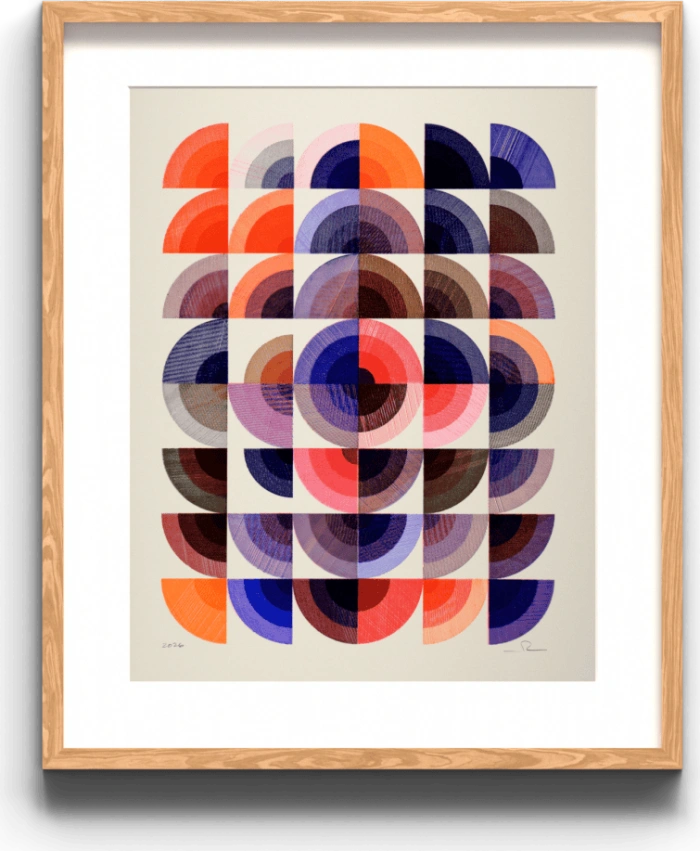
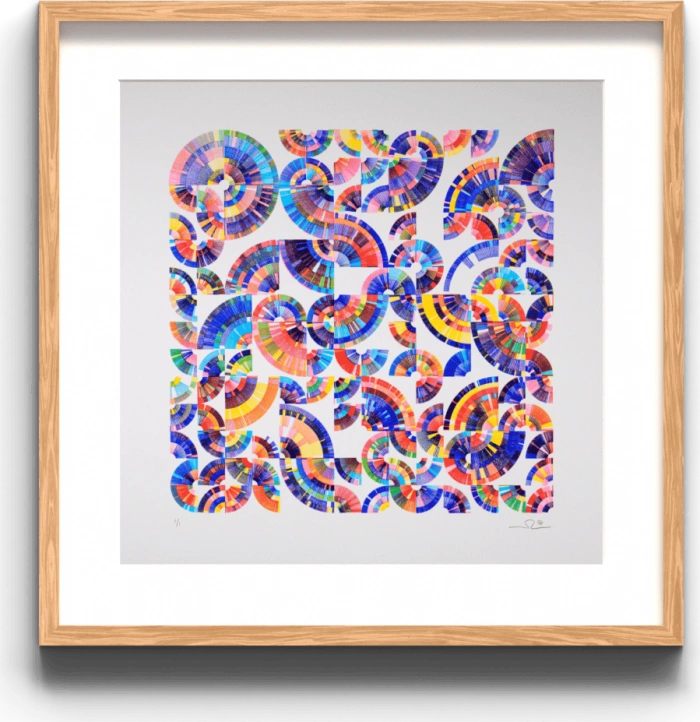
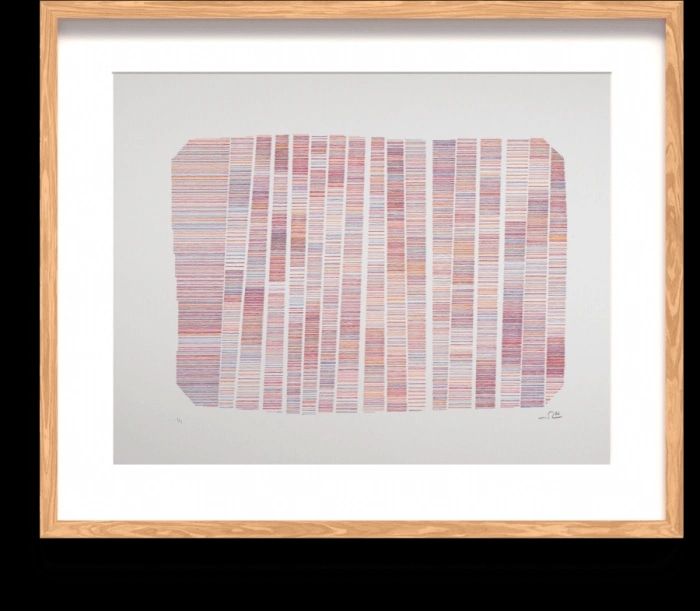
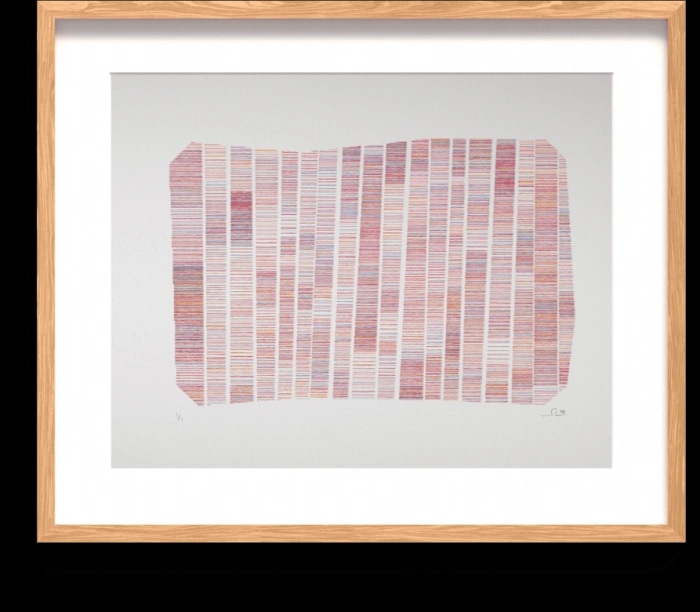
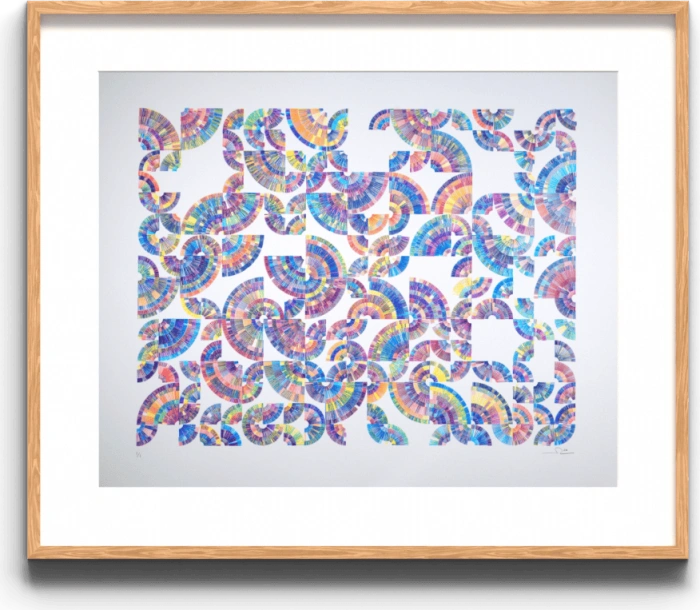
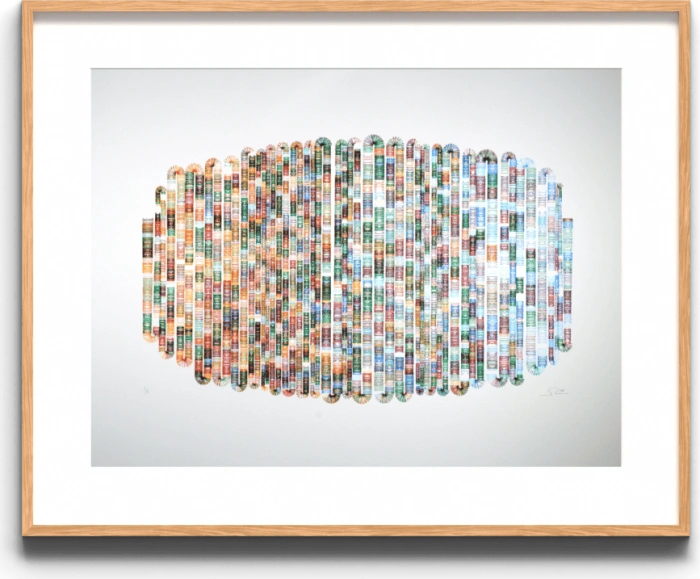
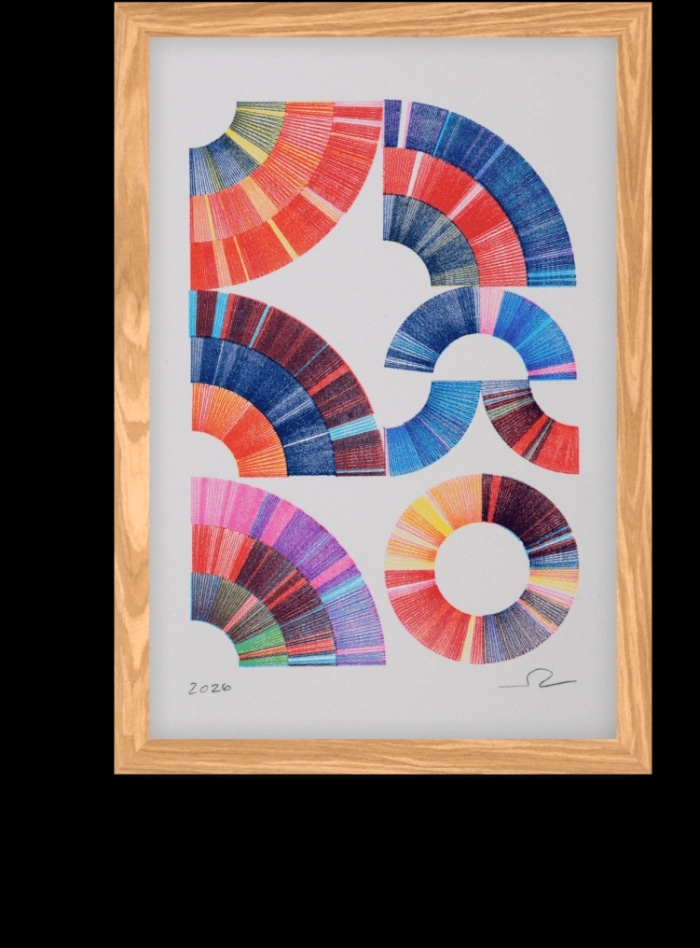
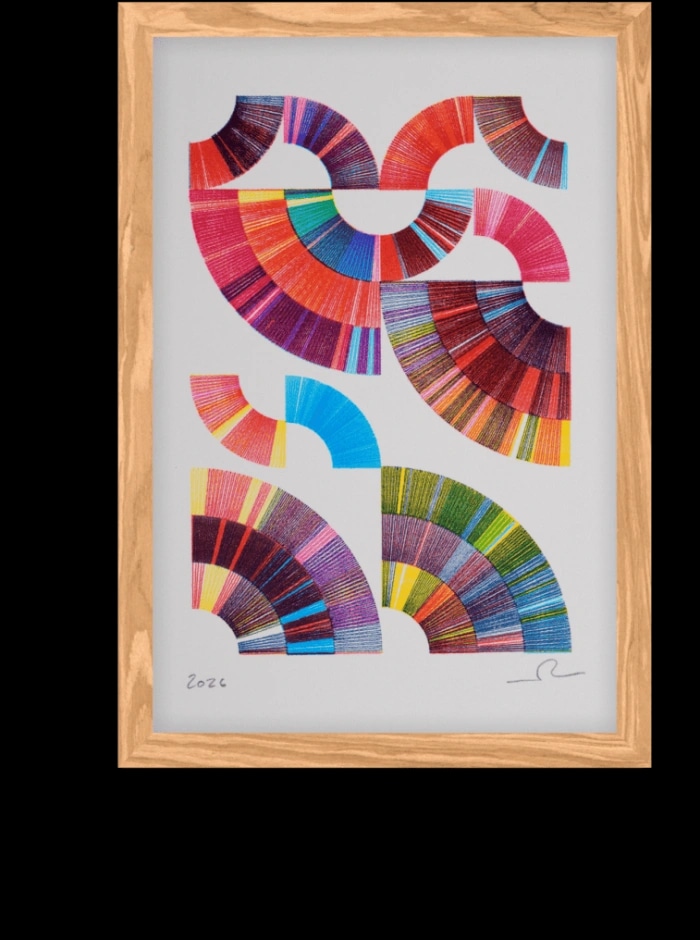
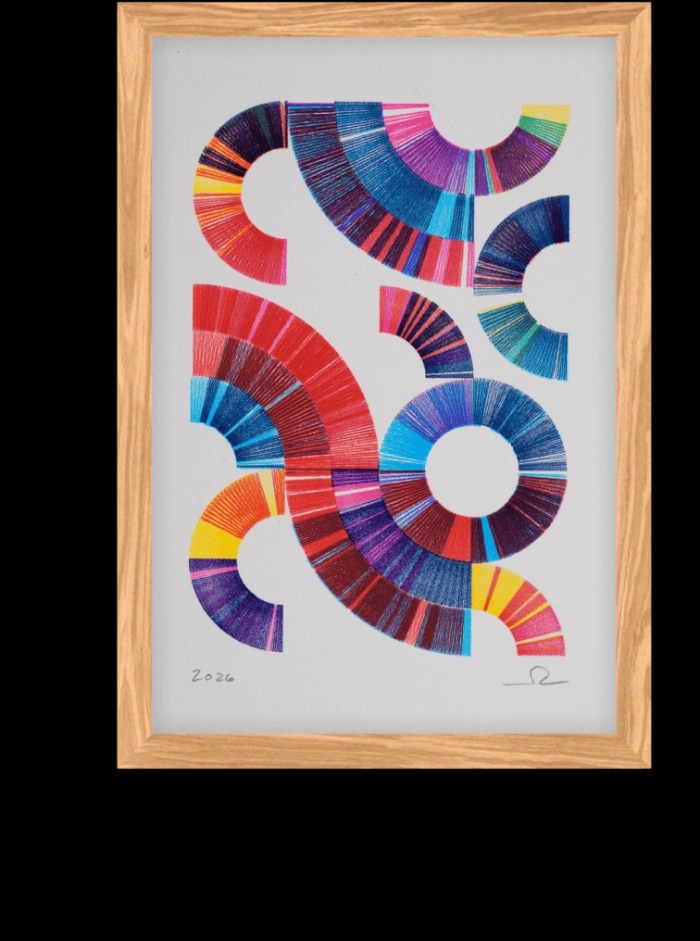
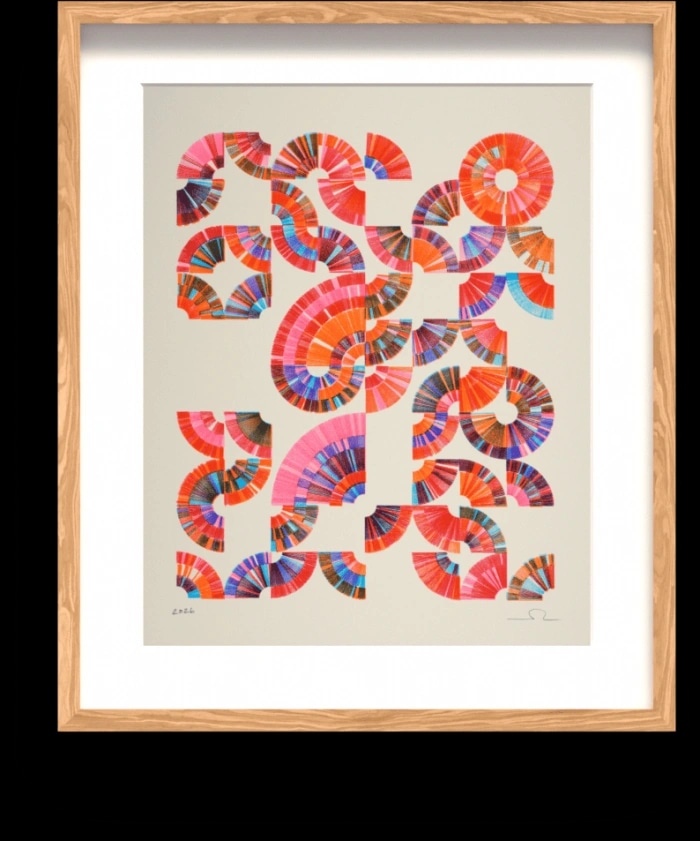
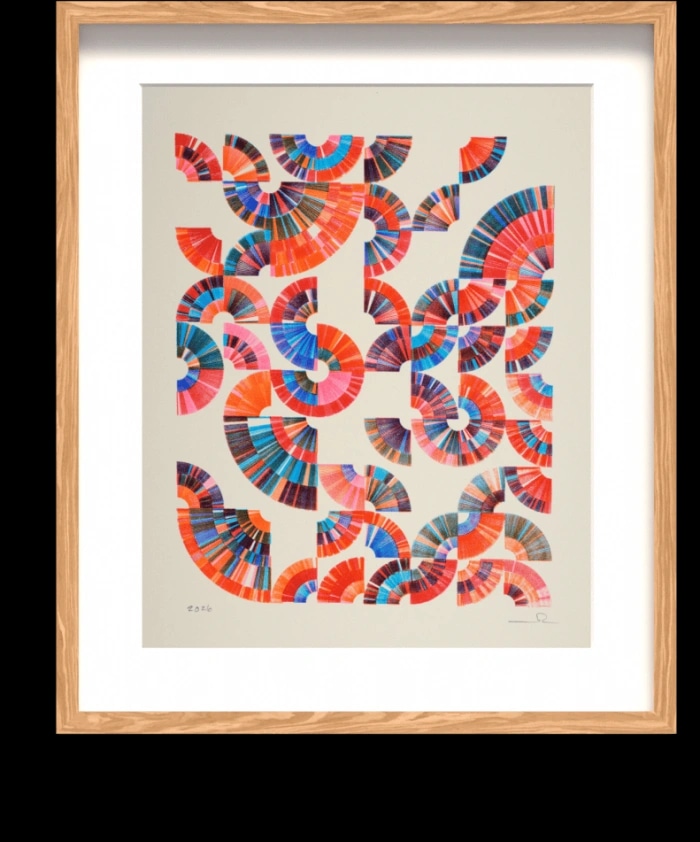
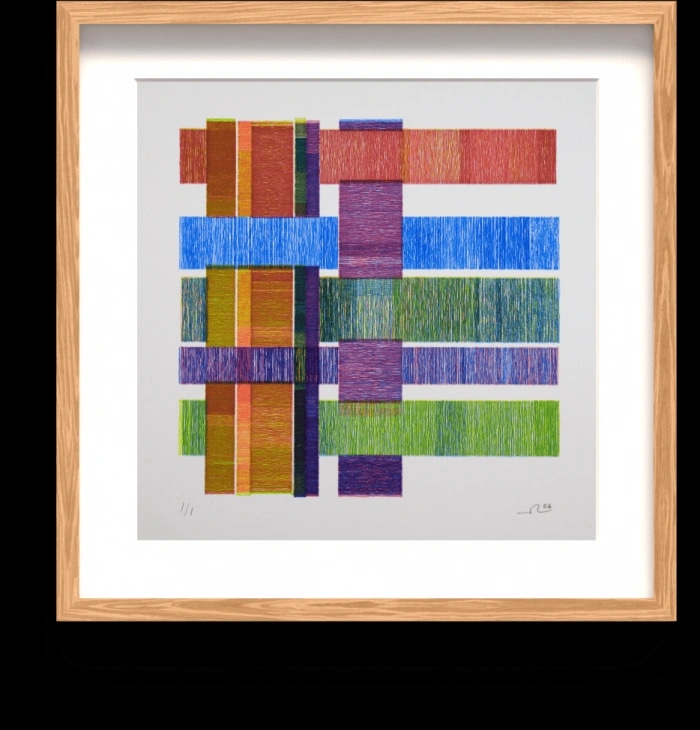
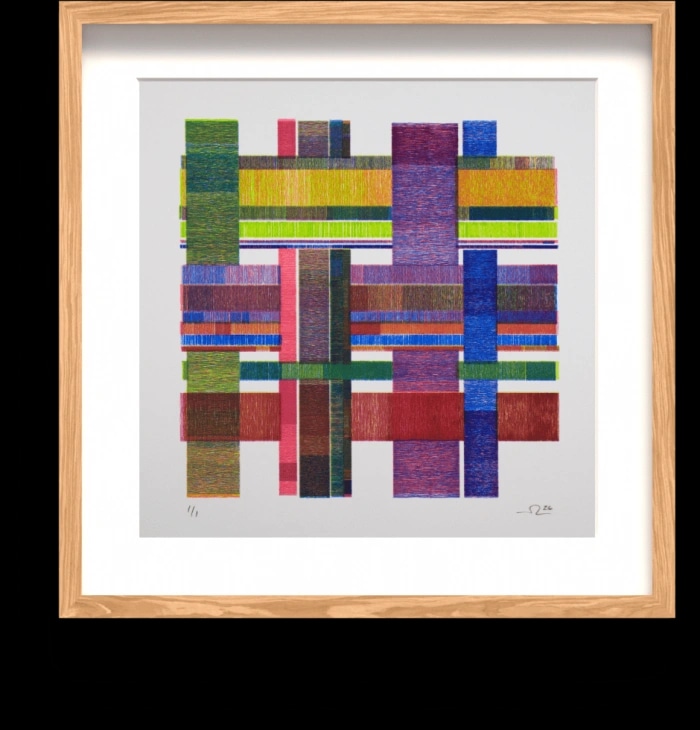
Every rebuild taught me something the last one couldn't: bigger surfaces, sturdier frames, better calibration, tools that finally kept up with what I wanted to draw. What started as spare parts from a broken printer is now a small, working fleet of machines, and a wall of the prints they've made.
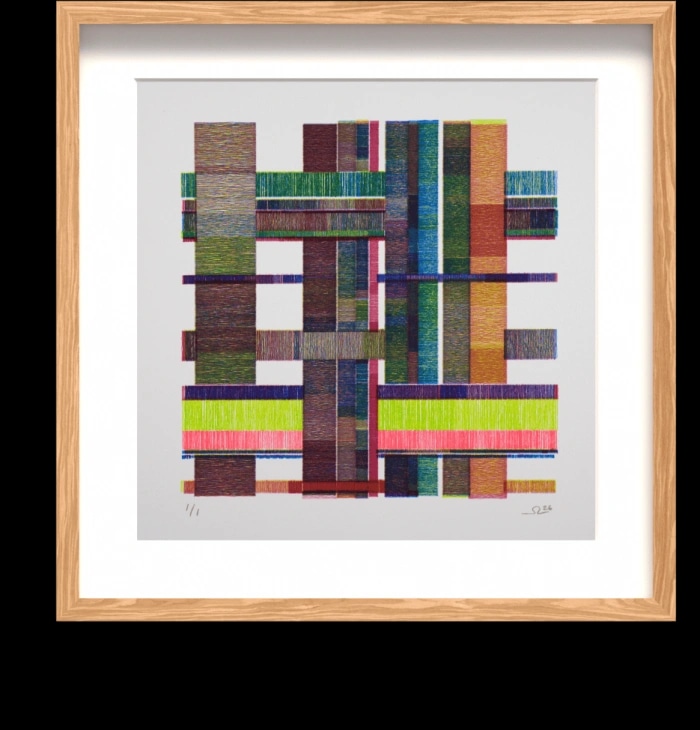
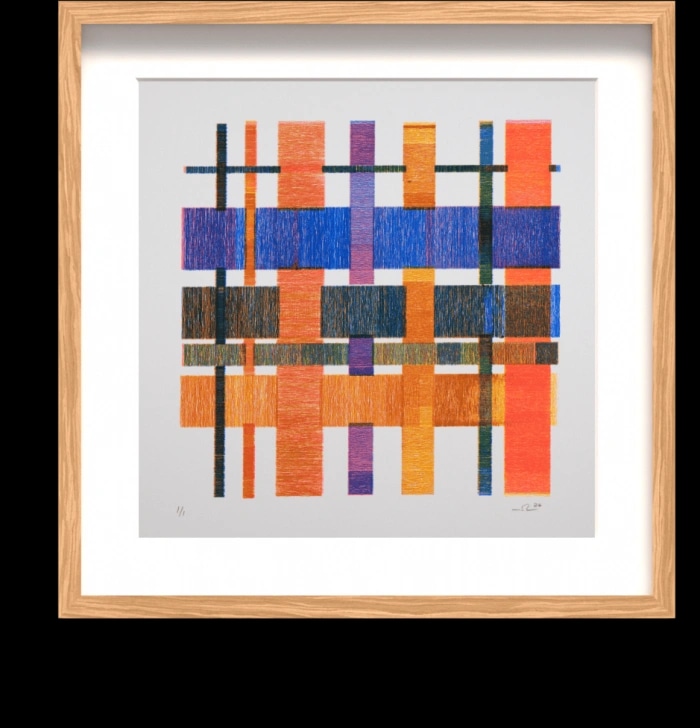
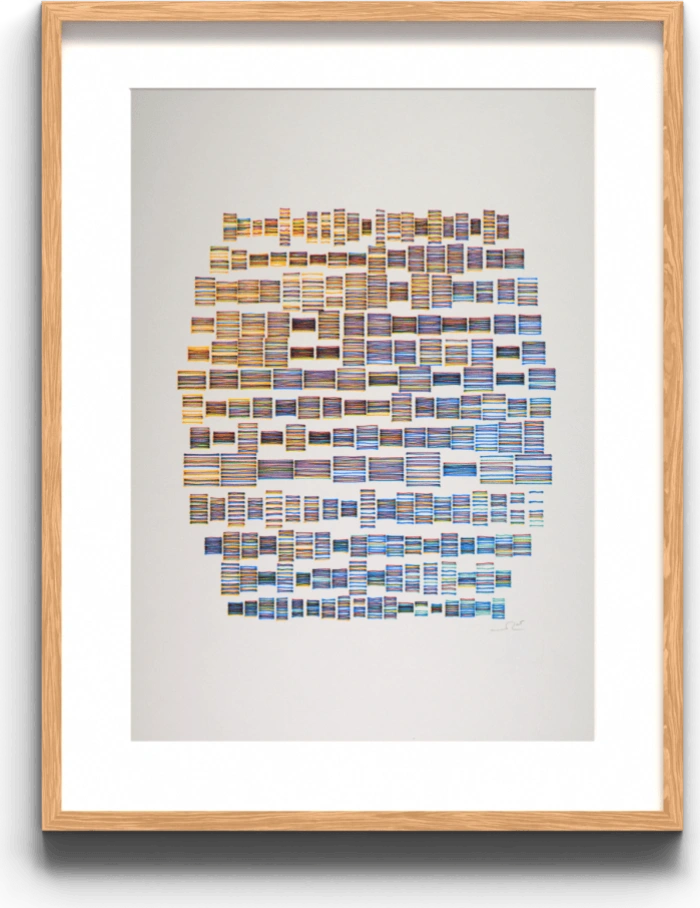
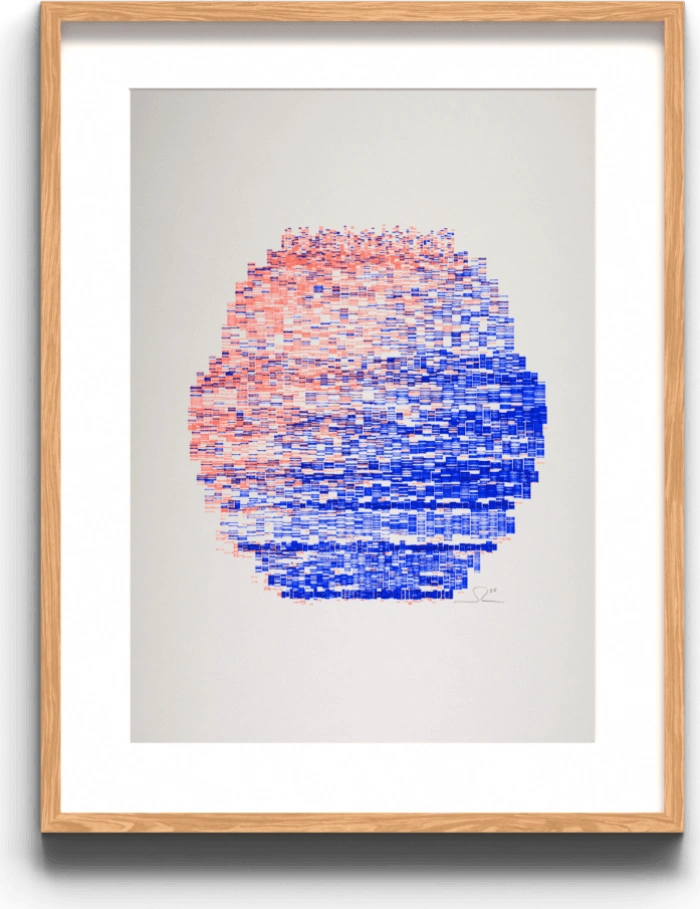
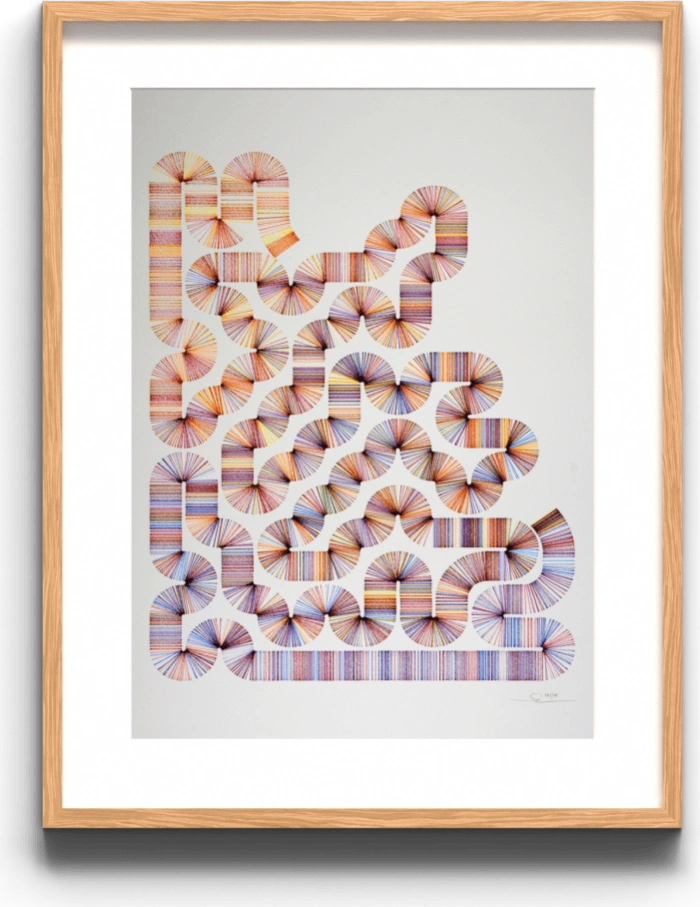
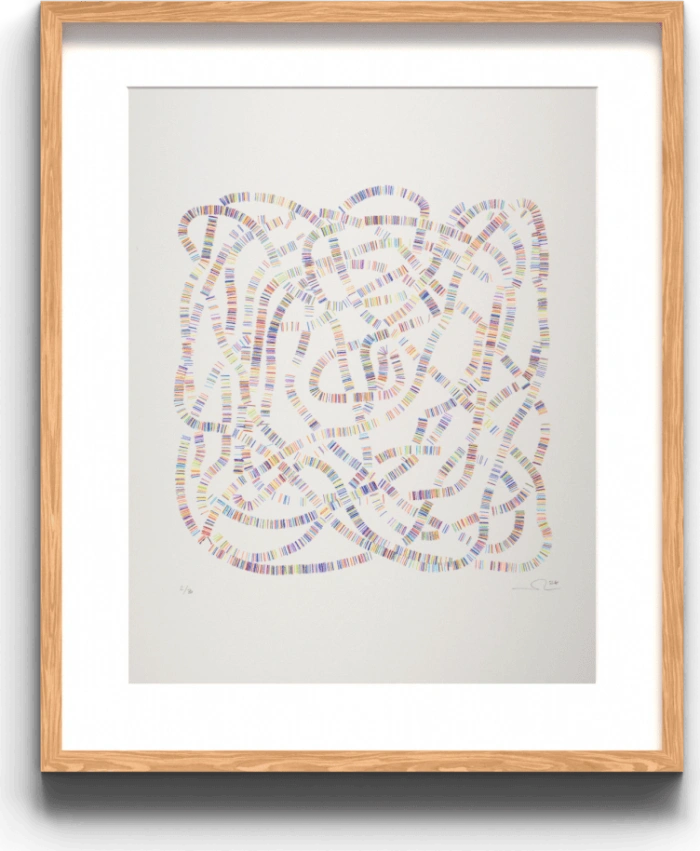
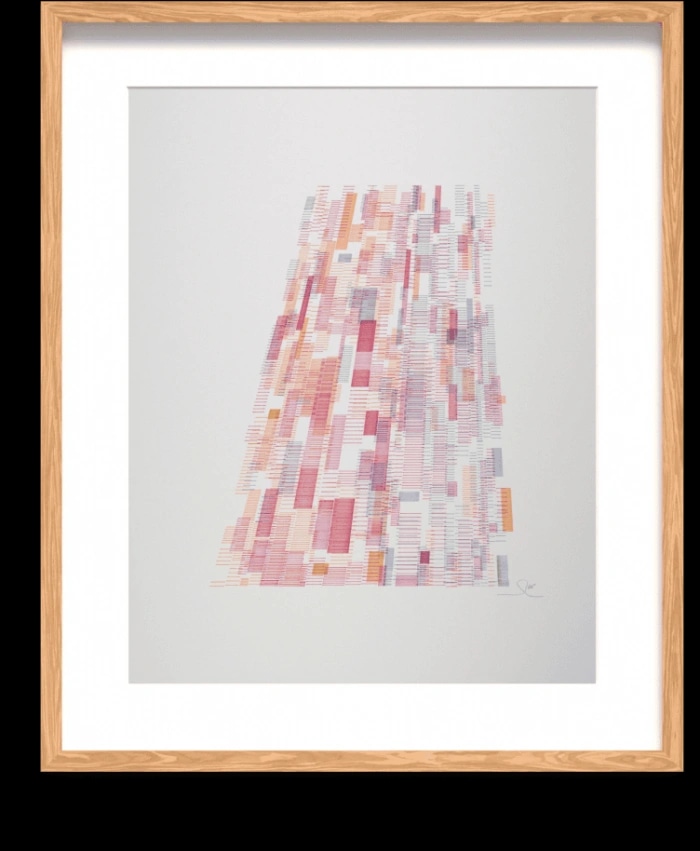
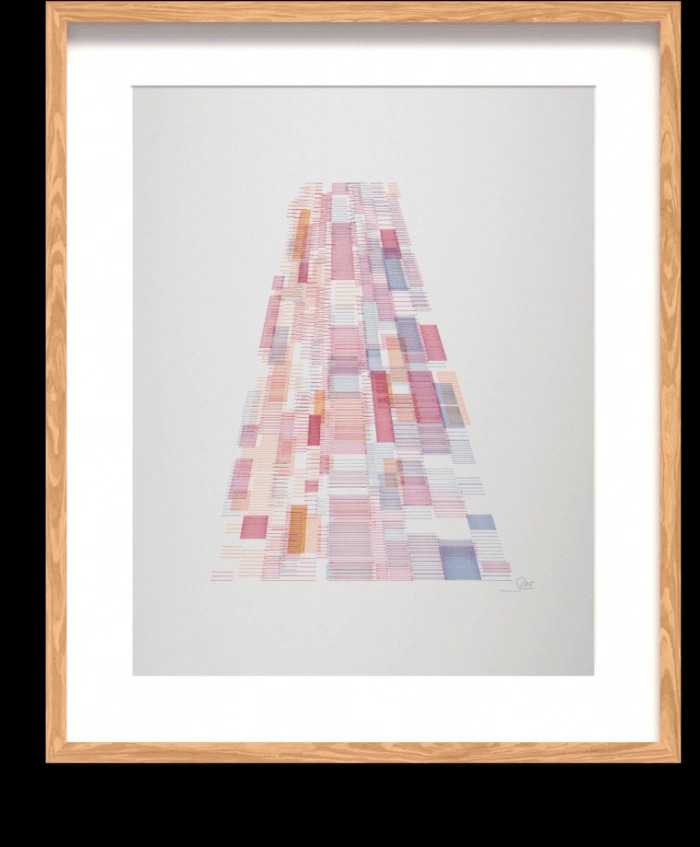
Lessons
This is a project that brings together everything I love: creativity, technology, and making things by hand. As a product designer, I don't often get to build physical things. This felt like reconnecting with the part of me that, as a kid, wanted to invent stuff and make art.
If you want to see or own a piece, I sell prints and originals at atelier.aublet.ca, my small shop for this work.