Challenge
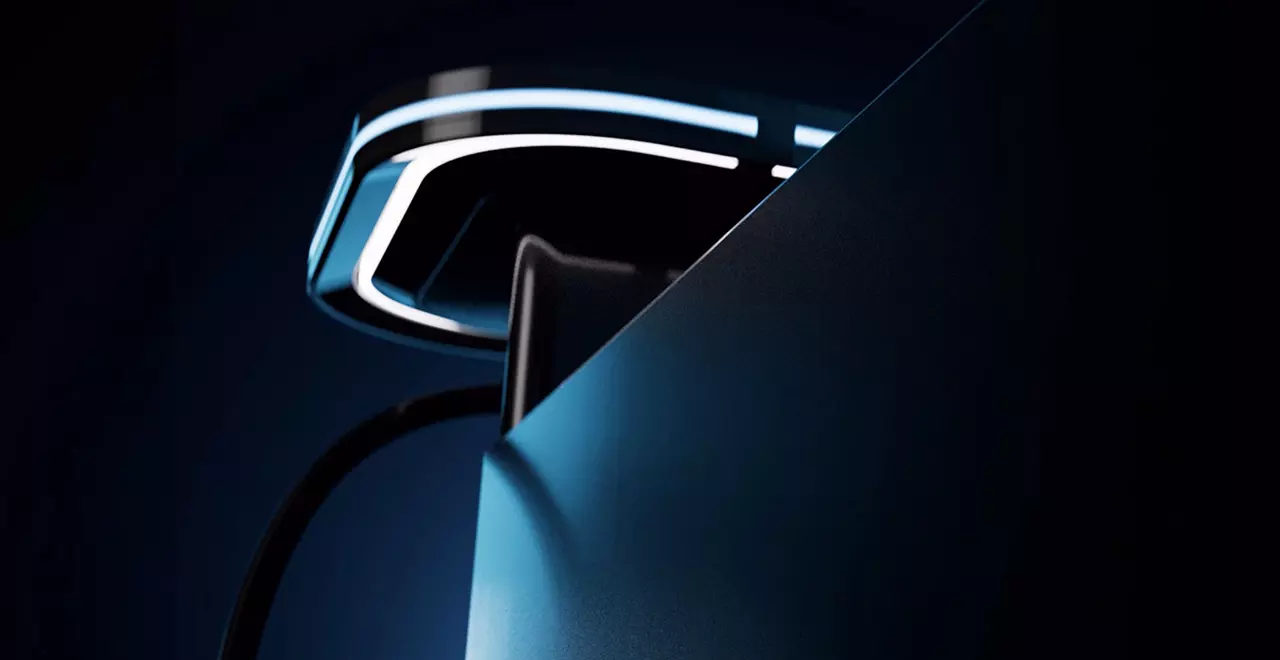
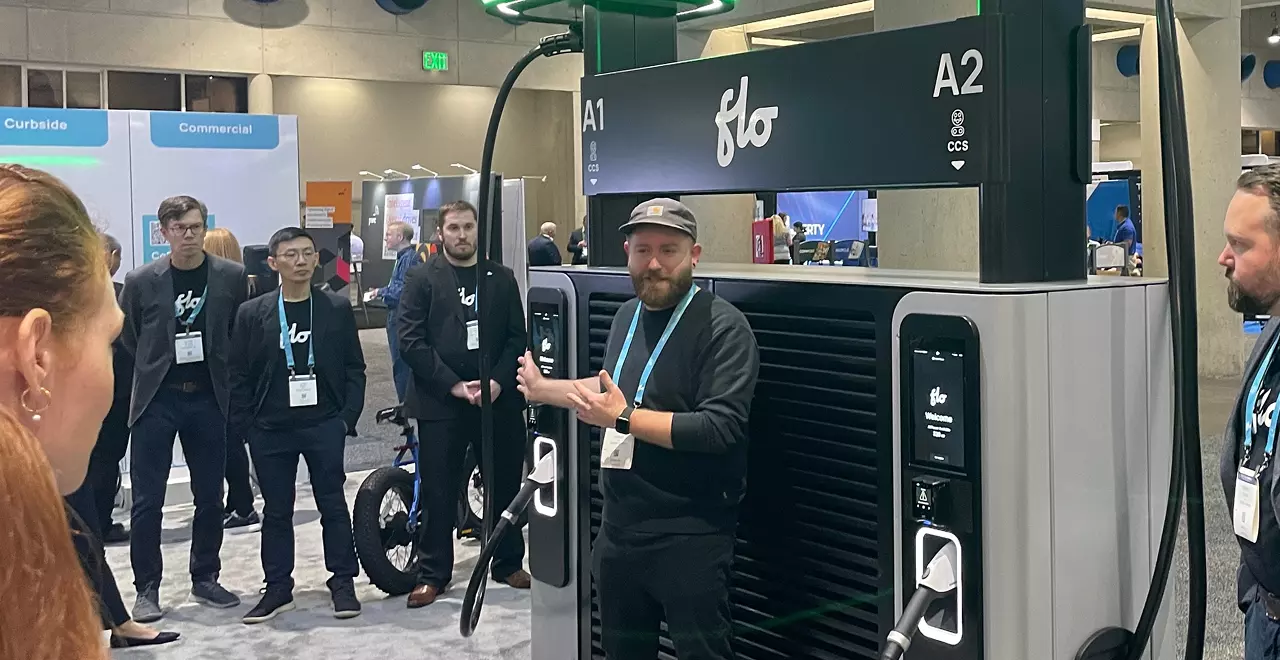
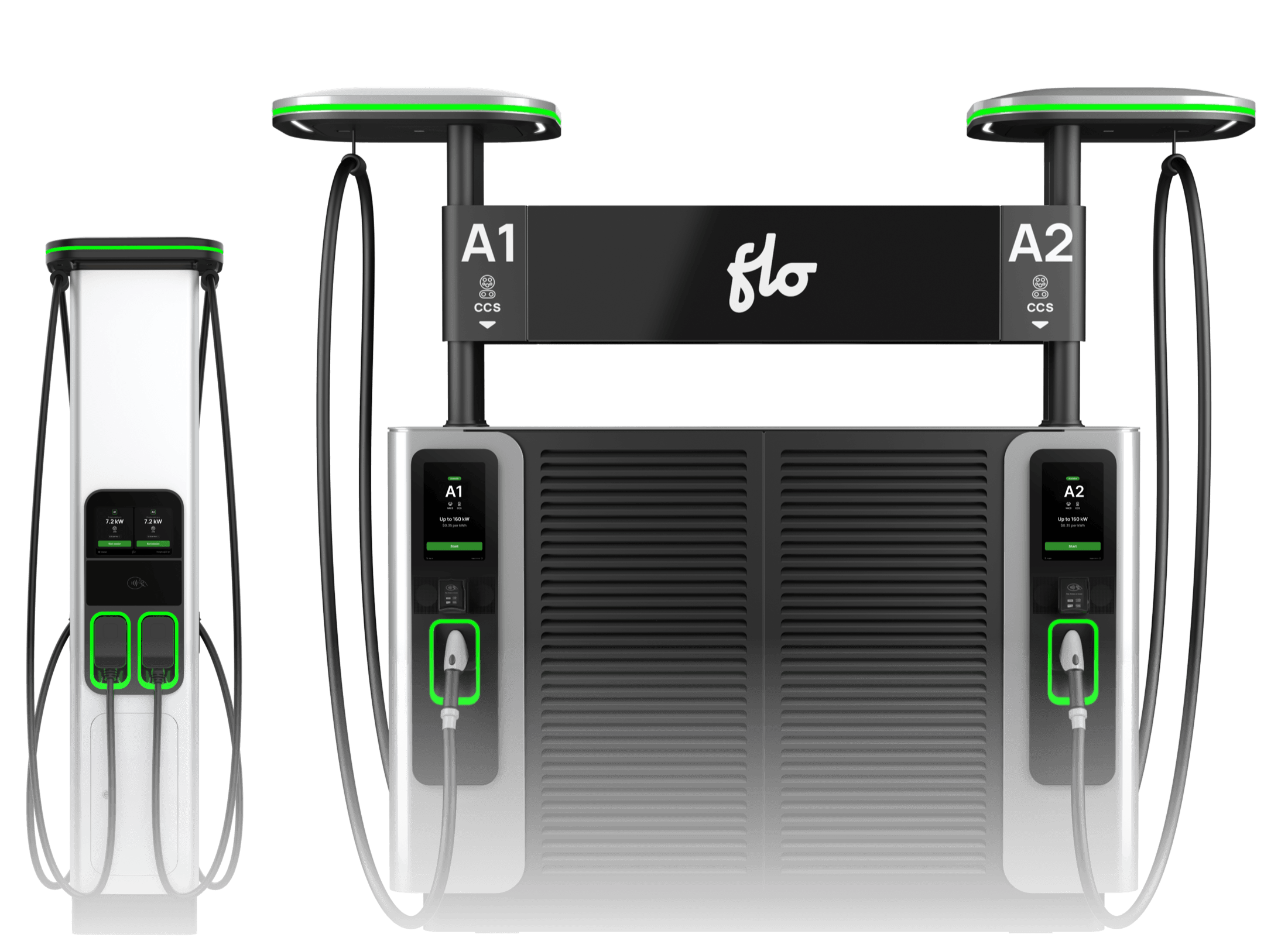
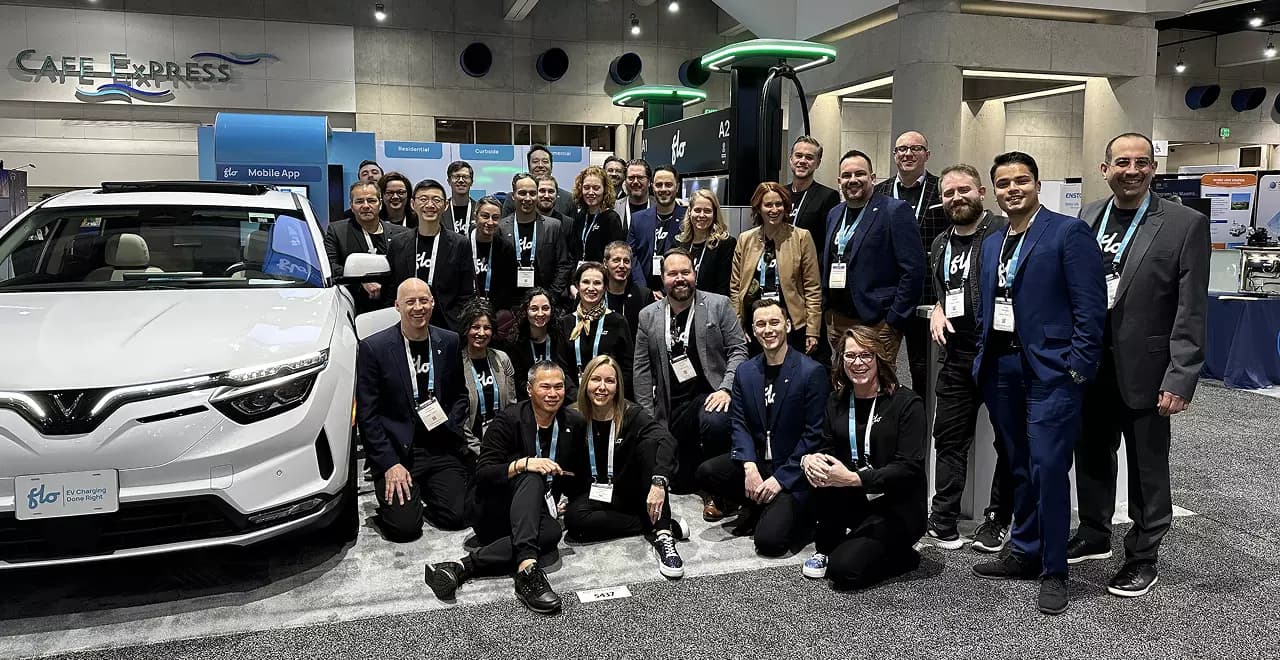
FLO Ultra was our first 320kW fast charger. For its launch at Distributech in San Diego, we needed a way to demonstrate not just the charger, but the experience around it.
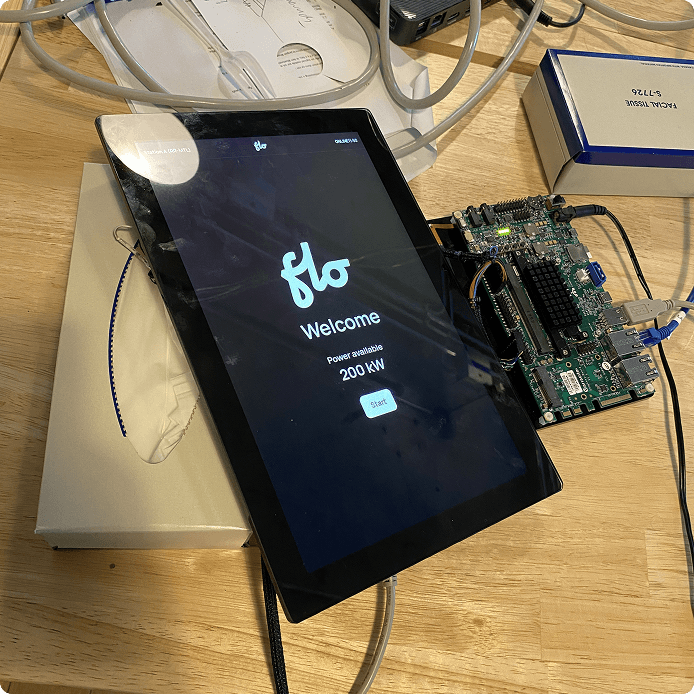
It also meant designing for genuinely new territory: an interface that had to work outdoors, year-round, through heat, cold, rain, sun, and darkness. It had to be one system, white-labeled across partners, chargers, and screen sizes, never just one screen. No rig or app existed to build any of this on, so we built our own hardware tools and the apps to design, test, and demo with them.
Approach
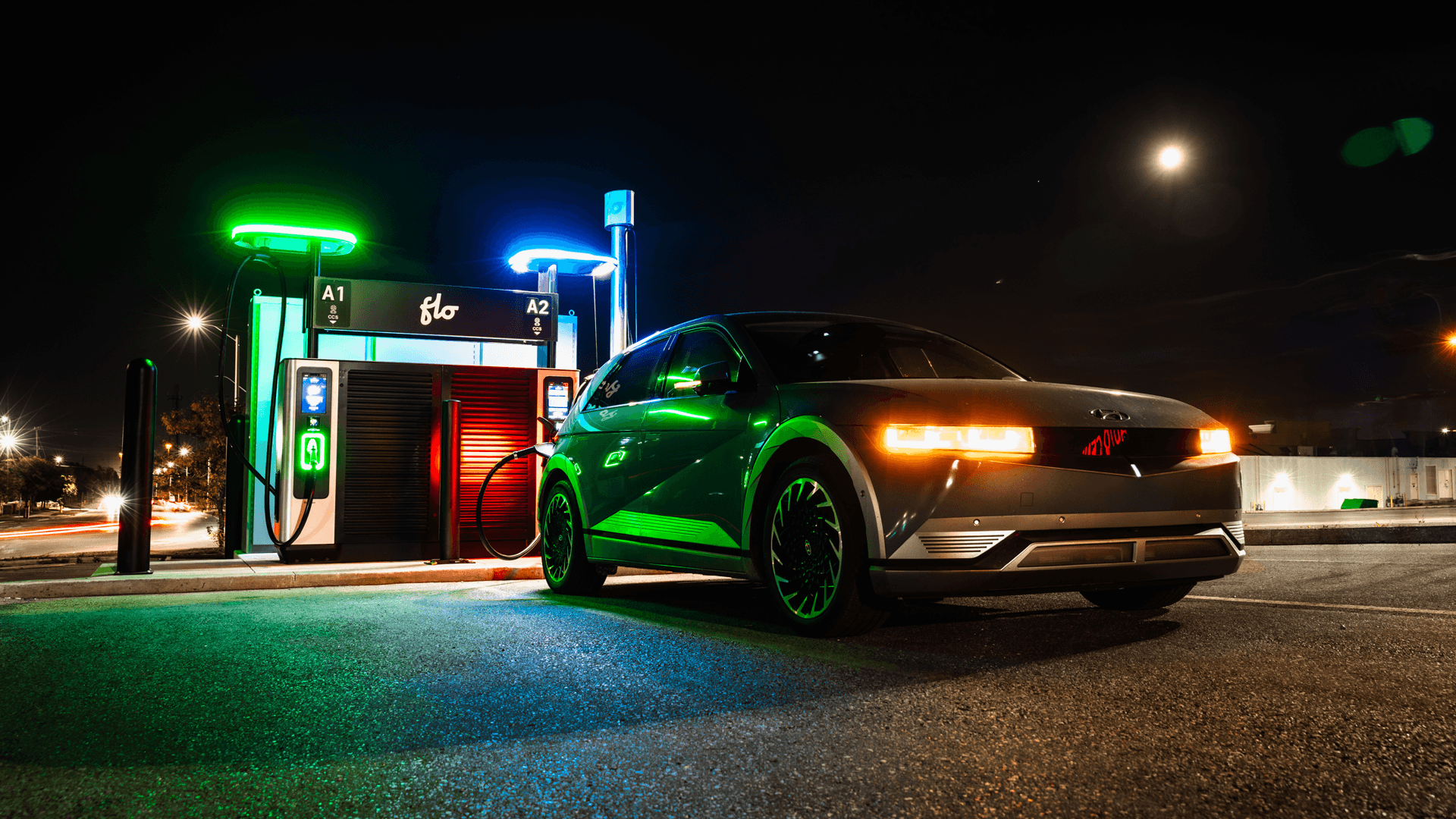
I developed a web-based prototype that transformed our demo unit into an interactive platform. By integrating controls for the charger's advanced features, including dynamic lighting, audio feedback, and motorized cable management, we created more than just a display. With a VinFast vehicle on-site, we offered convention attendees a tangible glimpse into the future of electric vehicle charging.
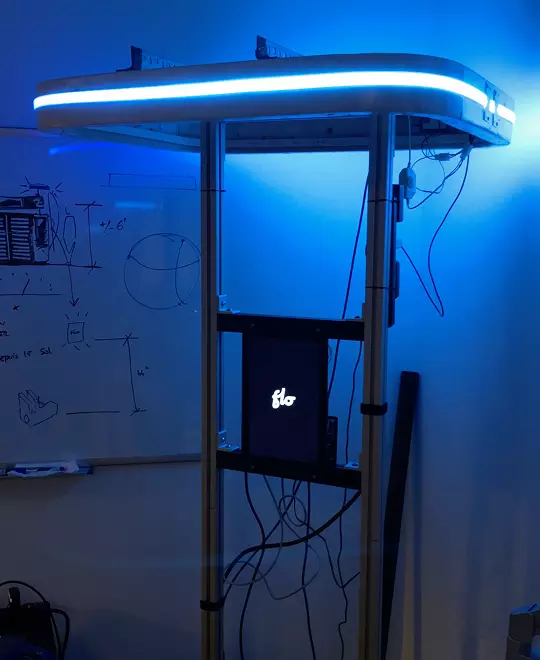
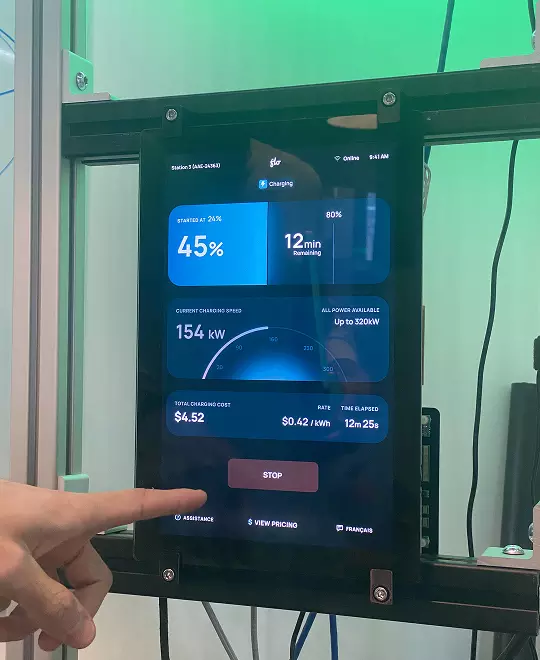
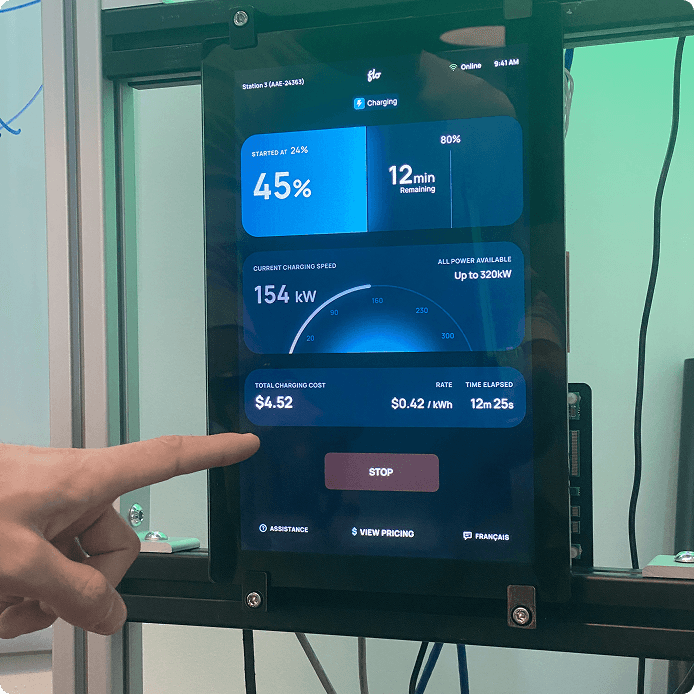
That demo unit didn't stay a marketing tool for long. I evolved it into a proper design tool: the same rig and software we used on the show floor became how the team iterated on the interface, tested new layouts, and demoed upcoming features long after Distributech ended.
Results
The Distributech demo made the product tangible. People could experience the charger, its interface, lighting, audio, and cable management on real hardware. After the event, the same rig and software continued to support design iteration and feature demos.
What started as a single charger became a full family: one interface system now powers every unit in the Ultra lineup, adapting across partners and screen sizes without starting from scratch each time.
Lessons
The project reinforced something I keep coming back to: the tools built around a product can be as important as the product itself. The demo was useful because it was not a simulation of the final experience. It was a working piece of the system, which made it valuable for launch, design iteration, and testing.